MagpieRSS Object
(
[parser] => 0
[current_item] => Array
(
)
[items] => Array
(
[0] => Array
(
[title] => the Animalist Party hopes to improve its score in the legislative elections
[link] => https://bbc-edition.com/space/the-animalist-party-hopes-to-improve-its-score-in-the-legislative-elections/
[comments] => https://bbc-edition.com/space/the-animalist-party-hopes-to-improve-its-score-in-the-legislative-elections/#respond
[dc] => Array
(
[creator] => Susan Hall
)
[pubdate] => Thu, 09 Jun 2022 15:00:31 +0000
[category] => SpaceAnimalistélectionshopesimprovelegislativepartyscore
[guid] => https://bbc-edition.com/space/the-animalist-party-hopes-to-improve-its-score-in-the-legislative-elections/
[description] => Campaign poster of the French Animalist Party for the legislative elections, in Paris, Wednesday June 8, 2022. FRANCOIS MORI / AP The vast majority of voters will not see the duck of the Animalist Party poster in the envelopes containing the professions of faith received for the first round of the legislative elections. The budget ... Read more
[content] => Array
(
[encoded] =>
Campaign poster of the French Animalist Party for the legislative elections, in Paris, Wednesday June 8, 2022. FRANCOIS MORI / AP
The vast majority of voters will not see the duck of the Animalist Party poster in the envelopes containing the professions of faith received for the first round of the legislative elections. The budget ran out. ?But on Sunday, the ballots in the names of the candidates will be present in the polling stations. » Tuesday, June 7, during a public meeting in a Parisian primary school, Laurence Volbart, candidate of the Animalist Party in the 8e constituency of Paris, reassures a worried activist. For visibility, the party has instead relied on the large-scale collage of its poster common to all constituencies: a palmiped on a purple background, hiding a pig in its beak, which appears in a good position on the panels installed around the offices. of voting.
For the formation born in November 2016, the ballot of June 12 and 19 is a test.In 2017, the Animalist Party won 1.1% of the votes in the legislative elections, proposing 147 candidates. This time, they are 421 to run out of 577 constituencies. If the formation has not set a quantified objective, it hopes to do at least as well as during the European elections, where it had obtained 2.16% of the votes, and had tickled the communist list (2.49%) . In the meantime, the party has gained visibility, media presence and, despite denying it, has become more professional. And if he does not like to highlight headliners other than animals, he saw one of his co-founders, the Gironde lawyer Hélène Thouy, make a name for herself by seeking to run for president. , although it did not garner enough sponsorships (139 out of the required 500).
Read also Article reserved for our subscribers Presidential election 2022: the animal condition, a more visible subject in the campaign
?We came up against the barrage of sponsorships for the presidential election, and we have a certain frustration at not having been able to measure ourselves in the vote?explains Muriel Fusi, candidate in the 13e constituency of Paris, for whom Sunday’s vote will serve in particular as a barometer for the animal cause. “Our goal is to make animal protection a political issue, by pushing our opponents to take a stand, but also by making the electorate sensitive to this cause visible.continues the candidate. This is the strength of being a monothematic party: there is no ambiguity about the intentions of our electorate. »
Reinforced ?left-right divide?
Beyond the measures that the training advocates (creating a full-fledged ministry for animal welfare, backing the Constitution with a charter for animal protection, putting an end to intensive breeding, prohibiting all forms of hunting, allowing the reception pets in emergency accommodation and nursing homes, etc.), its candidates insist above all on the social project they intend to carry out. “It’s a question of justice and empathy: it’s about bringing our consideration to the weakest among the weakest, and the challenge is that this radiates to all of humanity”details Mira Markovic, co-founder of the party.
You have 34.75% of this article left to read. The following is for subscribers only.
)
[wfw] => Array
(
[commentrss] => https://bbc-edition.com/space/the-animalist-party-hopes-to-improve-its-score-in-the-legislative-elections/feed/
)
[slash] => Array
(
[comments] => 0
)
[summary] => Campaign poster of the French Animalist Party for the legislative elections, in Paris, Wednesday June 8, 2022. FRANCOIS MORI / AP The vast majority of voters will not see the duck of the Animalist Party poster in the envelopes containing the professions of faith received for the first round of the legislative elections. The budget ... Read more
[atom_content] =>
Campaign poster of the French Animalist Party for the legislative elections, in Paris, Wednesday June 8, 2022. FRANCOIS MORI / AP
The vast majority of voters will not see the duck of the Animalist Party poster in the envelopes containing the professions of faith received for the first round of the legislative elections. The budget ran out. ?But on Sunday, the ballots in the names of the candidates will be present in the polling stations. » Tuesday, June 7, during a public meeting in a Parisian primary school, Laurence Volbart, candidate of the Animalist Party in the 8e constituency of Paris, reassures a worried activist. For visibility, the party has instead relied on the large-scale collage of its poster common to all constituencies: a palmiped on a purple background, hiding a pig in its beak, which appears in a good position on the panels installed around the offices. of voting.
For the formation born in November 2016, the ballot of June 12 and 19 is a test.In 2017, the Animalist Party won 1.1% of the votes in the legislative elections, proposing 147 candidates. This time, they are 421 to run out of 577 constituencies. If the formation has not set a quantified objective, it hopes to do at least as well as during the European elections, where it had obtained 2.16% of the votes, and had tickled the communist list (2.49%) . In the meantime, the party has gained visibility, media presence and, despite denying it, has become more professional. And if he does not like to highlight headliners other than animals, he saw one of his co-founders, the Gironde lawyer Hélène Thouy, make a name for herself by seeking to run for president. , although it did not garner enough sponsorships (139 out of the required 500).
Read also Article reserved for our subscribers Presidential election 2022: the animal condition, a more visible subject in the campaign
?We came up against the barrage of sponsorships for the presidential election, and we have a certain frustration at not having been able to measure ourselves in the vote?explains Muriel Fusi, candidate in the 13e constituency of Paris, for whom Sunday’s vote will serve in particular as a barometer for the animal cause. “Our goal is to make animal protection a political issue, by pushing our opponents to take a stand, but also by making the electorate sensitive to this cause visible.continues the candidate. This is the strength of being a monothematic party: there is no ambiguity about the intentions of our electorate. »
Reinforced ?left-right divide?
Beyond the measures that the training advocates (creating a full-fledged ministry for animal welfare, backing the Constitution with a charter for animal protection, putting an end to intensive breeding, prohibiting all forms of hunting, allowing the reception pets in emergency accommodation and nursing homes, etc.), its candidates insist above all on the social project they intend to carry out. “It’s a question of justice and empathy: it’s about bringing our consideration to the weakest among the weakest, and the challenge is that this radiates to all of humanity”details Mira Markovic, co-founder of the party.
You have 34.75% of this article left to read. The following is for subscribers only.
[date_timestamp] => 1654786831
)
[1] => Array
(
[title] => Ursa Major developing new 3D printed Arroway rocket engine to replace Russian launch systems
[link] => https://bbc-edition.com/space/ursa-major-developing-new-3d-printed-arroway-rocket-engine-to-replace-russian-launch-systems/
[comments] => https://bbc-edition.com/space/ursa-major-developing-new-3d-printed-arroway-rocket-engine-to-replace-russian-launch-systems/#respond
[dc] => Array
(
[creator] => Susan Hall
)
[pubdate] => Thu, 09 Jun 2022 12:02:36 +0000
[category] => SpaceArrowayDevelopingengineLaunchMajorprintedReplacerocketRussiansystemsUrsa
[guid] => https://bbc-edition.com/space/ursa-major-developing-new-3d-printed-arroway-rocket-engine-to-replace-russian-launch-systems/
[description] => Rocket engine manufacturer Ursa Major has introduced a 3D printed alternative to the now-unavailable Russian propulsion systems used by US launch firms. Just like Ursa Major?s previous efforts, its new ?Arroway? liquid oxygen and methane-staged combustion engine is being built using 3D printing, in a way that?s said to yield lead time and part consolidation ... Read more
[content] => Array
(
[encoded] =>
Rocket engine manufacturer Ursa Major has introduced a 3D printed alternative to the now-unavailable Russian propulsion systems used by US launch firms.
Just like Ursa Major?s previous efforts, its new ?Arroway? liquid oxygen and methane-staged combustion engine is being built using 3D printing, in a way that?s said to yield lead time and part consolidation benefits. Once ready, the system is set to be marketed as a rival to the Russian-made RD-180 and RD-181, which are no longer an option for US companies due to rising tensions over the ongoing war in Ukraine.
?Arroway is America?s engine of the future,? says Joe Laurienti, Founder and CEO of Ursa Major. ?Medium and heavy launch capacity is what US launchers desperately need right now, and because Ursa Major focuses solely on propulsion, we?re in a unique position to deliver high-performing, reliable and affordable engines.?
A rendering of Ursa Major?s Arroway rocket engine. Image via Ursa Major.
Ursa Major?s launch opportunity
Based in Colorado, Ursa Major prides itself on being the USA?s only privately-funded company that focuses solely on the development of rocket propulsion systems. Thanks to its engineering team, composed of experts in combustors, engine cycles and turbomachinery, the firm has built and tested more than fifty staged-rocket engines to-date, and it plans to ship twenty four of these by the end of 2022.
Thus far, Ursa Major?s 5,000 pound-thrust ?Hadley,? the first US-made oxygen-rich staged combustion engine to be hot fire tested, is the only one of its products to have made it into initial production. That being said, the company is already developing the ?Ripley,? a more powerful 50,000-pound thrust rocket engine that?s capable of continuously burning for over four minutes.
According to Ursa Major, its propulsion systems can be deployed in launch, hypersonic flight and on-orbit missions, but with tensions ramping up between the US and Russia, their addressable market may now increase even further.
Following the full-scale invasion of Ukraine in late-February, the US and its allies announced they?d be imposing sanctions on Russia, which responded in kind in early-March. Russia?s sanctions included a ban on selling rocket engines to US firms, and it was anticipated that this could impact Northrop Grumman and the United Launch Alliance, whose vehicles rely on NPO Energomas? RD-180 and RD-181.
?Today we have made a decision to halt the deliveries of rocket engines produced by NPO Energomash to the United States,? Head of Roscosmos Dmitry Rogozin reportedly told the Russia 24 TV channel at the time. ?Let me remind you that these deliveries had been quite intensive somewhere since the mid-1990s.? He added: ?let them fly on something else, their broomsticks, I don?t know what.?
Ursa Major?s ?Hadley? propulsion system. Photo via Ursa Major.
A US-made 3D printed alternative?
Ursa Major?s answer to Russia?s sanctions is the Arroway, an even more powerful rocket engine that, when deployed in a cluster, could displace the Russian-made RD-180 and RD-181. Set to be capable of 200,000 pounds of thrust, the new system is designed so that most of its parts can be 3D printed, enabling its rapid iteration during development, and its future production to be scaled where needed.
The Arroway?s also built around the same fuel-rich staged combustion architecture as its Hadley and Ripley predecessors. As such, Ursa Major says that its latest rocket engine continues to benefit from the same ?high-performance specific impulse and thrust-to-weight ratio,? as well as a ?high reliability in mass production and long reusable life.?
Although the company is already accepting orders for the Arroway, it?s not expected to be ready for shipping until 2025, with initial hot-fire testing slated for 2023. Once primed for deployment, Ursa Major anticipates that the system will be capable of addressing markets ranging from US security and commercial satellite launches, to serving space stations and even ?missions not yet conceived.?
?Launch organizations should consider whether they have the in-house experience, expertise, time, money, test facilities, and organizational fortitude to build their own engines,? said Jeff Thornburg, former SpaceX Propulsion Executive and Ursa Major Advisor. ?The growing space industry is just starting to learn how difficult propulsion development can be and how long it really takes to qualify hardware in-house, which presents an incredible opportunity for Arroway to serve the industry.?
?Arroway is the rocket engine that the industry needs, and Ursa Major is the right company to build it.?
Launcher?s E-2 thrust chamber assembly at NASA?s Stennis Space Center. Photo via Launcher/John Kraus Photography.
Rocket 3D printing in the USA
Ursa Major is hardly the only US aerospace firm to deploy 3D printing in the production of its rocket engines, and the country has become a hotbed of innovation in this area. For instance, California-based Launcher continues to make progress in the development of its 3D printed E-2 liquid rocket engine, testing it at the NASA Stennis Space Center in April 2022.
Elsewhere in the Golden State, Aerojet Rocketdyne has also developed a 3D printed scramjet engine, which was deployed in a recent hypersonic missile trial. Using the technology, the firm is said to have been able to reduce the number of parts in the drive system by 95%, before using it to power the Mach 5-capable X-51A Waverider.
Across the pond, meanwhile, Orbex has unveiled the first full-scale prototype of its Prime orbital space rocket. Featuring a 3D printed engine and turbopump systems, the projectile?s development reflects the growing confidence of manufacturers in the UK?s thriving space sector, something that could be beneficial to their US partners in future.
To stay up to date with the latest 3D printing news, don?t forget to subscribe to the3D Printing Industry newsletter or follow us on Twitter or liking our page on Facebook.
For a deeper dive into additive manufacturing, you can now subscribe to our Youtube channel, featuring discussion, debriefs, and shots of 3D printing in-action.
Are you looking for a job in the additive manufacturing industry? Visit3D Printing Jobs for a selection of roles in the industry.
Featured image shows a rendering of Ursa Major?s Arroway rocket engine. Image via Ursa Major.
)
[wfw] => Array
(
[commentrss] => https://bbc-edition.com/space/ursa-major-developing-new-3d-printed-arroway-rocket-engine-to-replace-russian-launch-systems/feed/
)
[slash] => Array
(
[comments] => 0
)
[summary] => Rocket engine manufacturer Ursa Major has introduced a 3D printed alternative to the now-unavailable Russian propulsion systems used by US launch firms. Just like Ursa Major?s previous efforts, its new ?Arroway? liquid oxygen and methane-staged combustion engine is being built using 3D printing, in a way that?s said to yield lead time and part consolidation ... Read more
[atom_content] =>
Rocket engine manufacturer Ursa Major has introduced a 3D printed alternative to the now-unavailable Russian propulsion systems used by US launch firms.
Just like Ursa Major?s previous efforts, its new ?Arroway? liquid oxygen and methane-staged combustion engine is being built using 3D printing, in a way that?s said to yield lead time and part consolidation benefits. Once ready, the system is set to be marketed as a rival to the Russian-made RD-180 and RD-181, which are no longer an option for US companies due to rising tensions over the ongoing war in Ukraine.
?Arroway is America?s engine of the future,? says Joe Laurienti, Founder and CEO of Ursa Major. ?Medium and heavy launch capacity is what US launchers desperately need right now, and because Ursa Major focuses solely on propulsion, we?re in a unique position to deliver high-performing, reliable and affordable engines.?
A rendering of Ursa Major?s Arroway rocket engine. Image via Ursa Major.
Ursa Major?s launch opportunity
Based in Colorado, Ursa Major prides itself on being the USA?s only privately-funded company that focuses solely on the development of rocket propulsion systems. Thanks to its engineering team, composed of experts in combustors, engine cycles and turbomachinery, the firm has built and tested more than fifty staged-rocket engines to-date, and it plans to ship twenty four of these by the end of 2022.
Thus far, Ursa Major?s 5,000 pound-thrust ?Hadley,? the first US-made oxygen-rich staged combustion engine to be hot fire tested, is the only one of its products to have made it into initial production. That being said, the company is already developing the ?Ripley,? a more powerful 50,000-pound thrust rocket engine that?s capable of continuously burning for over four minutes.
According to Ursa Major, its propulsion systems can be deployed in launch, hypersonic flight and on-orbit missions, but with tensions ramping up between the US and Russia, their addressable market may now increase even further.
Following the full-scale invasion of Ukraine in late-February, the US and its allies announced they?d be imposing sanctions on Russia, which responded in kind in early-March. Russia?s sanctions included a ban on selling rocket engines to US firms, and it was anticipated that this could impact Northrop Grumman and the United Launch Alliance, whose vehicles rely on NPO Energomas? RD-180 and RD-181.
?Today we have made a decision to halt the deliveries of rocket engines produced by NPO Energomash to the United States,? Head of Roscosmos Dmitry Rogozin reportedly told the Russia 24 TV channel at the time. ?Let me remind you that these deliveries had been quite intensive somewhere since the mid-1990s.? He added: ?let them fly on something else, their broomsticks, I don?t know what.?
Ursa Major?s ?Hadley? propulsion system. Photo via Ursa Major.
A US-made 3D printed alternative?
Ursa Major?s answer to Russia?s sanctions is the Arroway, an even more powerful rocket engine that, when deployed in a cluster, could displace the Russian-made RD-180 and RD-181. Set to be capable of 200,000 pounds of thrust, the new system is designed so that most of its parts can be 3D printed, enabling its rapid iteration during development, and its future production to be scaled where needed.
The Arroway?s also built around the same fuel-rich staged combustion architecture as its Hadley and Ripley predecessors. As such, Ursa Major says that its latest rocket engine continues to benefit from the same ?high-performance specific impulse and thrust-to-weight ratio,? as well as a ?high reliability in mass production and long reusable life.?
Although the company is already accepting orders for the Arroway, it?s not expected to be ready for shipping until 2025, with initial hot-fire testing slated for 2023. Once primed for deployment, Ursa Major anticipates that the system will be capable of addressing markets ranging from US security and commercial satellite launches, to serving space stations and even ?missions not yet conceived.?
?Launch organizations should consider whether they have the in-house experience, expertise, time, money, test facilities, and organizational fortitude to build their own engines,? said Jeff Thornburg, former SpaceX Propulsion Executive and Ursa Major Advisor. ?The growing space industry is just starting to learn how difficult propulsion development can be and how long it really takes to qualify hardware in-house, which presents an incredible opportunity for Arroway to serve the industry.?
?Arroway is the rocket engine that the industry needs, and Ursa Major is the right company to build it.?
Launcher?s E-2 thrust chamber assembly at NASA?s Stennis Space Center. Photo via Launcher/John Kraus Photography.
Rocket 3D printing in the USA
Ursa Major is hardly the only US aerospace firm to deploy 3D printing in the production of its rocket engines, and the country has become a hotbed of innovation in this area. For instance, California-based Launcher continues to make progress in the development of its 3D printed E-2 liquid rocket engine, testing it at the NASA Stennis Space Center in April 2022.
Elsewhere in the Golden State, Aerojet Rocketdyne has also developed a 3D printed scramjet engine, which was deployed in a recent hypersonic missile trial. Using the technology, the firm is said to have been able to reduce the number of parts in the drive system by 95%, before using it to power the Mach 5-capable X-51A Waverider.
Across the pond, meanwhile, Orbex has unveiled the first full-scale prototype of its Prime orbital space rocket. Featuring a 3D printed engine and turbopump systems, the projectile?s development reflects the growing confidence of manufacturers in the UK?s thriving space sector, something that could be beneficial to their US partners in future.
To stay up to date with the latest 3D printing news, don?t forget to subscribe to the3D Printing Industry newsletter or follow us on Twitter or liking our page on Facebook.
For a deeper dive into additive manufacturing, you can now subscribe to our Youtube channel, featuring discussion, debriefs, and shots of 3D printing in-action.
Are you looking for a job in the additive manufacturing industry? Visit3D Printing Jobs for a selection of roles in the industry.
Featured image shows a rendering of Ursa Major?s Arroway rocket engine. Image via Ursa Major.
[date_timestamp] => 1654776156
)
[2] => Array
(
[title] => Globalstar spare satellite to launch on SpaceX rocket this month ? Spaceflight Now
[link] => https://bbc-edition.com/space/globalstar-spare-satellite-to-launch-on-spacex-rocket-this-month-spaceflight-now/
[comments] => https://bbc-edition.com/space/globalstar-spare-satellite-to-launch-on-spacex-rocket-this-month-spaceflight-now/#respond
[dc] => Array
(
[creator] => Susan Hall
)
[pubdate] => Thu, 09 Jun 2022 10:33:25 +0000
[category] => SpaceGlobalstarLaunchMonthrocketsatelliteSpaceflightSpacexspare
[guid] => https://bbc-edition.com/space/globalstar-spare-satellite-to-launch-on-spacex-rocket-this-month-spaceflight-now/
[description] => File photo of a Globalstar second-generation satellite. Credit: Thales Alenia Space A spare satellite for Globalstar?s data relay and messaging constellation will launch from Cape Canaveral on a Falcon 9 rocket later this month, multiple sources said, in a previously-undisclosed mission on SpaceX?s schedule. The launch will be the first for a Globalstar satellite since ... Read more
[content] => Array
(
[encoded] =>
File photo of a Globalstar second-generation satellite. Credit: Thales Alenia Space
A spare satellite for Globalstar?s data relay and messaging constellation will launch from Cape Canaveral on a Falcon 9 rocket later this month, multiple sources said, in a previously-undisclosed mission on SpaceX?s schedule.
The launch will be the first for a Globalstar satellite since 2013, and adds capacity for the company?s commercial network providing data connectivity for satellite phones, asset tracking, and internet-of-things applications.
Globalstar has said in quarterly financial filings, most recently last month, that it plans to launch one of its spare satellites in the ?near future.? The company did not identify the launcher for the spare satellite.
Sources told Spaceflight Now the spacecraft, designated Globalstar FM15, is booked to launch on a Falcon 9 rocket as soon as mid-June. The mission will be the next Falcon 9 launch from pad 40 at Cape Canaveral after the liftoff of the Egyptian Nilesat 301 geostationary communications satellite Wednesday.
Globalstar operates a fleet of dozens of communications satellites in low Earth orbit. The company did not respond to multiple requests for details on the upcoming launch.
The company launched 60 first-generation satellites, built by Space Systems/Loral, on Delta 2 and Soyuz rockets from 1998 through 2007. Globalstar added 24 second-generation satellites, manufactured by Thales Alenia Space, on four Soyuz rocket missions from 2010 through 2013.
?Our constellation of Low Earth Orbit (LEO) satellites includes second-generation satellites and certain first-generation satellites,? Globalstar said in a quarterly report filed with the Securities and Exchange Commission last month. ?We also have one on-ground spare second-generation satellite that we plan to launch in the near future.?
A recent regulatory filing with the Federal Communications Commission doesn?t match any other launch on SpaceX?s schedule, but is apparently for the Globalstar mission. SpaceX requests authority from the FCC to operate vehicle transmitters for each Falcon 9 flight.
The recent filing is for a Falcon 9 launch that will head to the northeast from Cape Canaveral, with an offshore first stage booster landing on one of SpaceX?s drone ships.
The Thales-built Globalstar satellite weighs about 700 kilograms, or 1,543 pounds. The Globalstar fleet orbits about 878 miles (1,413 kilometers) above Earth at an inclination of 52 degrees to the equator, an orbit reachable with a launch to the northeast from Cape Canaveral.
SpaceX and Globalstar have not confirmed if the upcoming launch will be a dedicated ride for the Globalstar payload, or if other satellites might be on-board the Falcon 9.
An online flight tracking website showed an Ilyushin Il-76 cargo plane arrived at the Launch and Landing Facility runway at the Kennedy Space Center last month, delivering a shipment from Rome, Italy, where Thales built the second-generation Globalstar satellites.
File photo of a SpaceX Falcon 9 rocket at Space Launch Complex 40. Credit: Michael Cain / Spaceflight Now / Coldlife Photography
The Globalstar satellites provide data connectivity for customers between 70 degrees north and south latitude, and the company?s second-generation spacecraft are designed for operational lifetimes of 15 years. The Thales-built Globalstar satellites are trapezoidal in shape and feature 16 transponders in C-band and S-band and 16 receivers in L-band and C-band.
Globalstar is a competitor in the satellite phone and data relay market with companies like Iridium, Inmarsat, and Orbcomm. Globalstar announced in February it is purchasing 17 new satellites from an industry team led by MDA and Rocket Lab to extend the life of its constellation.
The company expects all of the 17 new satellites will be launched by the end of 2025. A launch service provider for the new satellites hasn?t been announced.
The $327 million contract for the 17 new satellites, along with the launch this month of Globalstar?s spare second-generation spacecraft, is being primarily funded by an unnamed ?potential customer? for Globalstar?s services.
The Globalstar launch in mid-June is one of up to six Falcon 9 missions on SpaceX?s launch schedule this month.
The Falcon 9 schedule this month has been shuffled after the delay of a space station resupply mission to investigate a possible fuel leak on a SpaceX cargo ship. The resupply mission, designated CRS-25, was set to lift off this week from pad 39A at the Kennedy Space Center, but is now scheduled no earlier than June 28.
Here?s a snapshot of the Falcon 9 launch schedule for June, as of Tuesday:
? June 8: Nilesat 301 from SLC-40 at Cape Canaveral Space Force Station, Florida
? Mid-June: Globalstar FM15 from SLC-40 at Cape Canaveral Space Force Station, Florida
? June 18: SARah 1 from SLC-4E at Vandenberg Space Force Base, California
? Mid-June: Starlink 4-19 from LC-39A at Kennedy Space Center, Florida
? June 28: CRS-25 from LC-39A at Kennedy Space Center, Florida
? June 28: SES 22 from SLC-40 at Cape Canaveral Space Force Station, Florida
)
[wfw] => Array
(
[commentrss] => https://bbc-edition.com/space/globalstar-spare-satellite-to-launch-on-spacex-rocket-this-month-spaceflight-now/feed/
)
[slash] => Array
(
[comments] => 0
)
[summary] => File photo of a Globalstar second-generation satellite. Credit: Thales Alenia Space A spare satellite for Globalstar?s data relay and messaging constellation will launch from Cape Canaveral on a Falcon 9 rocket later this month, multiple sources said, in a previously-undisclosed mission on SpaceX?s schedule. The launch will be the first for a Globalstar satellite since ... Read more
[atom_content] =>
File photo of a Globalstar second-generation satellite. Credit: Thales Alenia Space
A spare satellite for Globalstar?s data relay and messaging constellation will launch from Cape Canaveral on a Falcon 9 rocket later this month, multiple sources said, in a previously-undisclosed mission on SpaceX?s schedule.
The launch will be the first for a Globalstar satellite since 2013, and adds capacity for the company?s commercial network providing data connectivity for satellite phones, asset tracking, and internet-of-things applications.
Globalstar has said in quarterly financial filings, most recently last month, that it plans to launch one of its spare satellites in the ?near future.? The company did not identify the launcher for the spare satellite.
Sources told Spaceflight Now the spacecraft, designated Globalstar FM15, is booked to launch on a Falcon 9 rocket as soon as mid-June. The mission will be the next Falcon 9 launch from pad 40 at Cape Canaveral after the liftoff of the Egyptian Nilesat 301 geostationary communications satellite Wednesday.
Globalstar operates a fleet of dozens of communications satellites in low Earth orbit. The company did not respond to multiple requests for details on the upcoming launch.
The company launched 60 first-generation satellites, built by Space Systems/Loral, on Delta 2 and Soyuz rockets from 1998 through 2007. Globalstar added 24 second-generation satellites, manufactured by Thales Alenia Space, on four Soyuz rocket missions from 2010 through 2013.
?Our constellation of Low Earth Orbit (LEO) satellites includes second-generation satellites and certain first-generation satellites,? Globalstar said in a quarterly report filed with the Securities and Exchange Commission last month. ?We also have one on-ground spare second-generation satellite that we plan to launch in the near future.?
A recent regulatory filing with the Federal Communications Commission doesn?t match any other launch on SpaceX?s schedule, but is apparently for the Globalstar mission. SpaceX requests authority from the FCC to operate vehicle transmitters for each Falcon 9 flight.
The recent filing is for a Falcon 9 launch that will head to the northeast from Cape Canaveral, with an offshore first stage booster landing on one of SpaceX?s drone ships.
The Thales-built Globalstar satellite weighs about 700 kilograms, or 1,543 pounds. The Globalstar fleet orbits about 878 miles (1,413 kilometers) above Earth at an inclination of 52 degrees to the equator, an orbit reachable with a launch to the northeast from Cape Canaveral.
SpaceX and Globalstar have not confirmed if the upcoming launch will be a dedicated ride for the Globalstar payload, or if other satellites might be on-board the Falcon 9.
An online flight tracking website showed an Ilyushin Il-76 cargo plane arrived at the Launch and Landing Facility runway at the Kennedy Space Center last month, delivering a shipment from Rome, Italy, where Thales built the second-generation Globalstar satellites.
File photo of a SpaceX Falcon 9 rocket at Space Launch Complex 40. Credit: Michael Cain / Spaceflight Now / Coldlife Photography
The Globalstar satellites provide data connectivity for customers between 70 degrees north and south latitude, and the company?s second-generation spacecraft are designed for operational lifetimes of 15 years. The Thales-built Globalstar satellites are trapezoidal in shape and feature 16 transponders in C-band and S-band and 16 receivers in L-band and C-band.
Globalstar is a competitor in the satellite phone and data relay market with companies like Iridium, Inmarsat, and Orbcomm. Globalstar announced in February it is purchasing 17 new satellites from an industry team led by MDA and Rocket Lab to extend the life of its constellation.
The company expects all of the 17 new satellites will be launched by the end of 2025. A launch service provider for the new satellites hasn?t been announced.
The $327 million contract for the 17 new satellites, along with the launch this month of Globalstar?s spare second-generation spacecraft, is being primarily funded by an unnamed ?potential customer? for Globalstar?s services.
The Globalstar launch in mid-June is one of up to six Falcon 9 missions on SpaceX?s launch schedule this month.
The Falcon 9 schedule this month has been shuffled after the delay of a space station resupply mission to investigate a possible fuel leak on a SpaceX cargo ship. The resupply mission, designated CRS-25, was set to lift off this week from pad 39A at the Kennedy Space Center, but is now scheduled no earlier than June 28.
Here?s a snapshot of the Falcon 9 launch schedule for June, as of Tuesday:
? June 8: Nilesat 301 from SLC-40 at Cape Canaveral Space Force Station, Florida
? Mid-June: Globalstar FM15 from SLC-40 at Cape Canaveral Space Force Station, Florida
? June 18: SARah 1 from SLC-4E at Vandenberg Space Force Base, California
? Mid-June: Starlink 4-19 from LC-39A at Kennedy Space Center, Florida
? June 28: CRS-25 from LC-39A at Kennedy Space Center, Florida
? June 28: SES 22 from SLC-40 at Cape Canaveral Space Force Station, Florida
[date_timestamp] => 1654770805
)
[3] => Array
(
[title] => NASA Plans to Acquire Five Additional Commercial Crew Missions
[link] => https://bbc-edition.com/space/nasa-plans-to-acquire-five-additional-commercial-crew-missions/
[comments] => https://bbc-edition.com/space/nasa-plans-to-acquire-five-additional-commercial-crew-missions/#respond
[dc] => Array
(
[creator] => Susan Hall
)
[pubdate] => Thu, 09 Jun 2022 09:04:33 +0000
[category] => SpaceAcquireAdditionalcommercialcrewmissionsNASAPlans
[guid] => https://bbc-edition.com/space/nasa-plans-to-acquire-five-additional-commercial-crew-missions/
[description] => Share Tweet Share Share Email In December 2021, NASA reported the extension of the International Space Station to 2030, mentioning that in order to maintain a safe and sustainable flight cadence throughout the rest of the space station?s planned operations there is a need for additional crew rotation missions. The extra crew flights will allow ... Read more
[content] => Array
(
[encoded] =>
The extra crew flights will allow NASA to hold an uninterrupted U.S. capability for human access to the space station.
Therefore, NASA plans to issue a sole source modification to SpaceX to obtain five additional crewed flights to the International Space Station as part of its Commercial Crew Transportation Capabilities contract.
The company expects a possible need to utilize additional SpaceX flights as early as 2026. Currently, SpaceX is NASA?s only certified commercial crew transportation provider and will fly its sixth rotational mission for NASA in the spring of 2023.
However, the current sole-source modification does not prevent NASA from pursuing other contract modifications in the future for potential transportation services if needed.
?Boeing?s Orbital Flight Test-2 went very well and we hope to be able to certify the Starliner system in the near future. However, we will need additional missions from SpaceX to implement our strategy of having each commercial provider flying alternating missions once per year,? said Phil McAllister, director, commercial space at NASA. ?Our goal has always been to have multiple providers for crewed transportation to the space station. SpaceX has been reliably flying two NASA crewed missions per year, and now we must backfill those flights to help safely meet the agency?s long-term needs.?
Subscribe to our website and stay in touch with the latest news in technology.
Thank You For Subscribing!
You will soon receive relevant content about the latest innovations in tech.
Subscribe error!
There was an error trying to subscribe to the newsletter. Please try again later.
NASA Plans to Acquire Five Additional Commercial Crew Missions
)
[wfw] => Array
(
[commentrss] => https://bbc-edition.com/space/nasa-plans-to-acquire-five-additional-commercial-crew-missions/feed/
)
[slash] => Array
(
[comments] => 0
)
[summary] => Share Tweet Share Share Email In December 2021, NASA reported the extension of the International Space Station to 2030, mentioning that in order to maintain a safe and sustainable flight cadence throughout the rest of the space station?s planned operations there is a need for additional crew rotation missions. The extra crew flights will allow ... Read more
[atom_content] =>
The extra crew flights will allow NASA to hold an uninterrupted U.S. capability for human access to the space station.
Therefore, NASA plans to issue a sole source modification to SpaceX to obtain five additional crewed flights to the International Space Station as part of its Commercial Crew Transportation Capabilities contract.
The company expects a possible need to utilize additional SpaceX flights as early as 2026. Currently, SpaceX is NASA?s only certified commercial crew transportation provider and will fly its sixth rotational mission for NASA in the spring of 2023.
However, the current sole-source modification does not prevent NASA from pursuing other contract modifications in the future for potential transportation services if needed.
?Boeing?s Orbital Flight Test-2 went very well and we hope to be able to certify the Starliner system in the near future. However, we will need additional missions from SpaceX to implement our strategy of having each commercial provider flying alternating missions once per year,? said Phil McAllister, director, commercial space at NASA. ?Our goal has always been to have multiple providers for crewed transportation to the space station. SpaceX has been reliably flying two NASA crewed missions per year, and now we must backfill those flights to help safely meet the agency?s long-term needs.?
Subscribe to our website and stay in touch with the latest news in technology.
Thank You For Subscribing!
You will soon receive relevant content about the latest innovations in tech.
Subscribe error!
There was an error trying to subscribe to the newsletter. Please try again later.
NASA Plans to Acquire Five Additional Commercial Crew Missions
[date_timestamp] => 1654765473
)
[4] => Array
(
[title] => Out of this world ? Space Coast Living Magazine
[link] => https://bbc-edition.com/space/out-of-this-world-space-coast-living-magazine/
[comments] => https://bbc-edition.com/space/out-of-this-world-space-coast-living-magazine/#respond
[dc] => Array
(
[creator] => Susan Hall
)
[pubdate] => Thu, 09 Jun 2022 07:35:37 +0000
[category] => SpaceCoastLivingmagazinespaceworld
[guid] => https://bbc-edition.com/space/out-of-this-world-space-coast-living-magazine/
[description] => The first stop on the Kennedy Space Center Visitor Complex is the Rocket Garden where all the rockets NASA has used over the years of manned space flight are displayed. FRED MAYS PHOTOS Complex lets visitors experience trips to the moon and beyond With rockets launching almost every week, there is a renewed interest in ... Read more
[content] => Array
(
[encoded] =>
The first stop on the Kennedy Space Center Visitor Complex is the Rocket Garden where all the rockets NASA has used over the years of manned space flight are displayed. FRED MAYS PHOTOS
Complex lets visitors experience trips to the moon and beyond
With rockets launching almost every week, there is a renewed interest in America?s space program. People line the beaches and roadways surrounding Kennedy Space Center in Florida to watch rockets launched from pads 39A and 39B, and the adjoining Canaveral Space Force Base pads.
Since the opening of NASA?s Kennedy Space Center 60 years ago, large crowds have been coming to Brevard County for a firsthand experience as the race for the moon heated up. For a comprehensive look at the space program, tourists can head to KSC?s visitors complex.
If you?re going to go, be there at 10 a.m. when it opens. And buy your tickets online in advance. Otherwise, tickets can be purchased at self-serve kiosks at the entrance. The complex doesn?t make public attendance numbers, other than saying it is more than 1.5 million visitors a year. Weekends are especially crowded.
Visitors can see a mock-up of the Mercury Control Room used in the 1960s. Can you see the rotary dial telephone?
Security at the complex is tight. Backpacks and handbags are searched. Masks are no longer required, but encouraged when inside venues.
Quick tip right up front: If you want to see the Apollo/Saturn V exhibit, go to the sign up station immediately and pick a time for your tour. The exhibit is in another area of the Space Center and you have to make a reservation for a shuttle bus to take you there. It?s first come, first served and reservations do book quickly. Allow 90 minutes for the exhibit, including the drive time.
The Apollo/Saturn V complex features exhibits of the Apollo moon landing missions. You get to walk on a dusty lunar surface simulation and touch a moon rock.
The Astronauts Hall of Fame features a history of NASA astronauts, from the Mercury program to today.
FROM THE BEGINNING
The Kennedy Space Center Visitor Complex, circa 1970s. NASA PHOTO
The visitor complex was started in 1967, when the space program was gearing up for the first moon landing. The first manned rocket, the Redstone, is on display, and features Alan Shepard, America?s first man in space.
One of the first things you see when you enter is the Rocket Garden, with many models of the rockets NASA has used over the years. You wander around in awe of their size, especially the Saturn, which sent astronauts to the moon during the Apollo program in the late ?60s and early ?70s.
Also near the entrance, adjacent to the Rocket Garden, is the Heroes and Legends exhibit, including the Astronauts Hall of Fame. The exhibit has a mixed media and video presentation that recounts the high points of the early NASA manned space efforts. From there you enter the Hall of Fame, which features pictures and bios of top American astronauts.
There is a mock-up of the original Mercury program Mission Control center. It looks small and technologically out of date compared to the large control centers at Kennedy and the Johnson Space Center in Houston.
The Journey To Mars exhibit is certainly timely. It includes a multimedia presentation on the missions to the Red Planet. There are mock-ups of the Mars rovers and a prototype model of what a future manned rover may look like. There are interactive games and simulators so you can test your skills to become a Mars explorer.
It?s a wonder on how the 4.5 million pound space shuttle Atlantis ever made it off the ground.
ATLANTIS UP CLOSE
At the entrance to the exhibit featuring the space shuttle Atlantis is a full scale model of the rocket and external fuel tank used to launch shuttles into space.
The star of the show is the space shuttle Atlantis exhibit. At the entrance is a full scale model of the rocket and external fuel tank that were used to launch shuttles into space. Inside there is a giant screen video about the shuttle program, and leave it to NASA not to skimp on any details. The movie includes the double bang of sonic booms the shuttle always made on landing. At the end of the movie, the doors open to an exhibit room that holds the actual retired Atlantis shuttle. It?s an awesome site and you have to wonder how in the world did they ever get something that big off the ground and into space.
For the record, Atlantis is 122 feet long, 57 feet high and has a wing span of 78 feet. The whole thing weighed 4.5 million pounds at liftoff.
Kids get a thrill at being able to sit in a mock-up of an actual space shuttle cockpit in the Atlantis building. It makes for a great photo opportunity.
After you?re done looking in awe at Atlantis, there is an opportunity to get thrilled in the Shuttle Launch Experience, a simulation of an actual lift off of a shuttle. You get strapped into your seat and there is simulation of the actual shaking and g-forces experienced by the astronauts during a launch. The simulator has a warning for people who may experience motion sickness, but it isn?t really that bad, just a little shake and bake. Fun for everyone.
Children and adults can pose with an ?astronaut? at the entrance of the Mars exhibit.
A special treat for the kids is an opportunity to have their picture taken with an astronaut in a space suit. This takes place at the entrance to the Mars exhibit. The astronaut is there every hour to pose for pictures. No, it isn?t a real astronaut, but it?s fun and a great photo opportunity for kids nonetheless.
The Space Shop is the official gift shop of the complex. You will find T-shirts, jackets, models of rockets and shuttles, coffee mugs and all kinds of fun stuff for people of all ages. The shop is on two floors, with most of the children?s sizes on the second floor. Best to make this your last stop so you don?t have to carry packages around all day.
The IMAX theater has movies that are in 3-D, in addition to the huge screen. The main IMAX movie changes from time to time. On a recent visit, the IMAX was showing a new movie about asteroid hunters. It runs about 40 minutes and the surround sound and IMAX experience are breathtaking. There is also a shorter IMAX movie, Journey to Spacewhich is a permanent feature film.
The Space Mirror is engraved with the names of all NASA astronauts who have died since the space exploration era began in the 1960s.
FALLEN HEROES REMEMBERED
A brass plaque honors astronauts who died in Apollo and space shuttle years.
On a solemn note, take some time to visit the Space Mirror Memorial. The tall mirror contains the names of all NASA astronauts who have died in mission related accidents. This includes the crews of space shuttles Challenger and Columbia, and launch pad fire of Apollo 1. There are also brass memorial plaques engraved with the images and names of the deceased astronaut crews.
Universe Theater by Northrop Grumman takes you through the known history of the universe, some 13.4 billion years, and explores the heavens with images from the Hubble Space Telescope. It uses 3D 4K resolution images for deep space exploration via Hubble. There is also an exhibit for the new NASA James Webb Telescope, which is the replacement for Hubble.
The Astronauts Training Experience is an added fee, $175, and must be booked in advance. It allows guests to train, work and live in simulation to what the real experience would be on Mars. The training sessions run 4-5 hours, and include realistic simulations of launching, landing and walking on Mars.
Exhibits are always changing, updated to keep pace with the evolving nature of the space program.
)
[wfw] => Array
(
[commentrss] => https://bbc-edition.com/space/out-of-this-world-space-coast-living-magazine/feed/
)
[slash] => Array
(
[comments] => 0
)
[summary] => The first stop on the Kennedy Space Center Visitor Complex is the Rocket Garden where all the rockets NASA has used over the years of manned space flight are displayed. FRED MAYS PHOTOS Complex lets visitors experience trips to the moon and beyond With rockets launching almost every week, there is a renewed interest in ... Read more
[atom_content] =>
The first stop on the Kennedy Space Center Visitor Complex is the Rocket Garden where all the rockets NASA has used over the years of manned space flight are displayed. FRED MAYS PHOTOS
Complex lets visitors experience trips to the moon and beyond
With rockets launching almost every week, there is a renewed interest in America?s space program. People line the beaches and roadways surrounding Kennedy Space Center in Florida to watch rockets launched from pads 39A and 39B, and the adjoining Canaveral Space Force Base pads.
Since the opening of NASA?s Kennedy Space Center 60 years ago, large crowds have been coming to Brevard County for a firsthand experience as the race for the moon heated up. For a comprehensive look at the space program, tourists can head to KSC?s visitors complex.
If you?re going to go, be there at 10 a.m. when it opens. And buy your tickets online in advance. Otherwise, tickets can be purchased at self-serve kiosks at the entrance. The complex doesn?t make public attendance numbers, other than saying it is more than 1.5 million visitors a year. Weekends are especially crowded.
Visitors can see a mock-up of the Mercury Control Room used in the 1960s. Can you see the rotary dial telephone?
Security at the complex is tight. Backpacks and handbags are searched. Masks are no longer required, but encouraged when inside venues.
Quick tip right up front: If you want to see the Apollo/Saturn V exhibit, go to the sign up station immediately and pick a time for your tour. The exhibit is in another area of the Space Center and you have to make a reservation for a shuttle bus to take you there. It?s first come, first served and reservations do book quickly. Allow 90 minutes for the exhibit, including the drive time.
The Apollo/Saturn V complex features exhibits of the Apollo moon landing missions. You get to walk on a dusty lunar surface simulation and touch a moon rock.
The Astronauts Hall of Fame features a history of NASA astronauts, from the Mercury program to today.
FROM THE BEGINNING
The Kennedy Space Center Visitor Complex, circa 1970s. NASA PHOTO
The visitor complex was started in 1967, when the space program was gearing up for the first moon landing. The first manned rocket, the Redstone, is on display, and features Alan Shepard, America?s first man in space.
One of the first things you see when you enter is the Rocket Garden, with many models of the rockets NASA has used over the years. You wander around in awe of their size, especially the Saturn, which sent astronauts to the moon during the Apollo program in the late ?60s and early ?70s.
Also near the entrance, adjacent to the Rocket Garden, is the Heroes and Legends exhibit, including the Astronauts Hall of Fame. The exhibit has a mixed media and video presentation that recounts the high points of the early NASA manned space efforts. From there you enter the Hall of Fame, which features pictures and bios of top American astronauts.
There is a mock-up of the original Mercury program Mission Control center. It looks small and technologically out of date compared to the large control centers at Kennedy and the Johnson Space Center in Houston.
The Journey To Mars exhibit is certainly timely. It includes a multimedia presentation on the missions to the Red Planet. There are mock-ups of the Mars rovers and a prototype model of what a future manned rover may look like. There are interactive games and simulators so you can test your skills to become a Mars explorer.
It?s a wonder on how the 4.5 million pound space shuttle Atlantis ever made it off the ground.
ATLANTIS UP CLOSE
At the entrance to the exhibit featuring the space shuttle Atlantis is a full scale model of the rocket and external fuel tank used to launch shuttles into space.
The star of the show is the space shuttle Atlantis exhibit. At the entrance is a full scale model of the rocket and external fuel tank that were used to launch shuttles into space. Inside there is a giant screen video about the shuttle program, and leave it to NASA not to skimp on any details. The movie includes the double bang of sonic booms the shuttle always made on landing. At the end of the movie, the doors open to an exhibit room that holds the actual retired Atlantis shuttle. It?s an awesome site and you have to wonder how in the world did they ever get something that big off the ground and into space.
For the record, Atlantis is 122 feet long, 57 feet high and has a wing span of 78 feet. The whole thing weighed 4.5 million pounds at liftoff.
Kids get a thrill at being able to sit in a mock-up of an actual space shuttle cockpit in the Atlantis building. It makes for a great photo opportunity.
After you?re done looking in awe at Atlantis, there is an opportunity to get thrilled in the Shuttle Launch Experience, a simulation of an actual lift off of a shuttle. You get strapped into your seat and there is simulation of the actual shaking and g-forces experienced by the astronauts during a launch. The simulator has a warning for people who may experience motion sickness, but it isn?t really that bad, just a little shake and bake. Fun for everyone.
Children and adults can pose with an ?astronaut? at the entrance of the Mars exhibit.
A special treat for the kids is an opportunity to have their picture taken with an astronaut in a space suit. This takes place at the entrance to the Mars exhibit. The astronaut is there every hour to pose for pictures. No, it isn?t a real astronaut, but it?s fun and a great photo opportunity for kids nonetheless.
The Space Shop is the official gift shop of the complex. You will find T-shirts, jackets, models of rockets and shuttles, coffee mugs and all kinds of fun stuff for people of all ages. The shop is on two floors, with most of the children?s sizes on the second floor. Best to make this your last stop so you don?t have to carry packages around all day.
The IMAX theater has movies that are in 3-D, in addition to the huge screen. The main IMAX movie changes from time to time. On a recent visit, the IMAX was showing a new movie about asteroid hunters. It runs about 40 minutes and the surround sound and IMAX experience are breathtaking. There is also a shorter IMAX movie, Journey to Spacewhich is a permanent feature film.
The Space Mirror is engraved with the names of all NASA astronauts who have died since the space exploration era began in the 1960s.
FALLEN HEROES REMEMBERED
A brass plaque honors astronauts who died in Apollo and space shuttle years.
On a solemn note, take some time to visit the Space Mirror Memorial. The tall mirror contains the names of all NASA astronauts who have died in mission related accidents. This includes the crews of space shuttles Challenger and Columbia, and launch pad fire of Apollo 1. There are also brass memorial plaques engraved with the images and names of the deceased astronaut crews.
Universe Theater by Northrop Grumman takes you through the known history of the universe, some 13.4 billion years, and explores the heavens with images from the Hubble Space Telescope. It uses 3D 4K resolution images for deep space exploration via Hubble. There is also an exhibit for the new NASA James Webb Telescope, which is the replacement for Hubble.
The Astronauts Training Experience is an added fee, $175, and must be booked in advance. It allows guests to train, work and live in simulation to what the real experience would be on Mars. The training sessions run 4-5 hours, and include realistic simulations of launching, landing and walking on Mars.
Exhibits are always changing, updated to keep pace with the evolving nature of the space program.
[date_timestamp] => 1654760137
)
[5] => Array
(
[title] => Theme parks? summer simmers with revived events ? Orlando Sentinel
[link] => https://bbc-edition.com/space/theme-parks-summer-simmers-with-revived-events-orlando-sentinel/
[comments] => https://bbc-edition.com/space/theme-parks-summer-simmers-with-revived-events-orlando-sentinel/#respond
[dc] => Array
(
[creator] => Susan Hall
)
[pubdate] => Thu, 09 Jun 2022 06:06:32 +0000
[category] => SpaceeventsORLANDOparksRevivedSENTINELsimmersSummerthème
[guid] => https://bbc-edition.com/space/theme-parks-summer-simmers-with-revived-events-orlando-sentinel/
[description] => The summer of 2022 will be sprinkled with new and returning events at Orlando?s theme parks. The phased rollout of entertainment that was suspended during pandemic makes busier than traditional summer season, back when most fresh attractions were available by Memorial Day. The announcements have sputtered out, so here?s a roundup, arranged chronologically, of what?s ... Read more
[content] => Array
(
[encoded] =>
The summer of 2022 will be sprinkled with new and returning events at Orlando?s theme parks. The phased rollout of entertainment that was suspended during pandemic makes busier than traditional summer season, back when most fresh attractions were available by Memorial Day.
The announcements have sputtered out, so here?s a roundup, arranged chronologically, of what?s coming up. There are question marks a far as timing goes (Revived ?Fantasmic?? Tron ride? Pirate River Quest?) in the parks, so this recap deals only with events with official opening dates.
A scary realization: Halloween season starts in Central Florida in two months. But there will be plenty of fireworks to go around first.
Lego Friends Weekends are underway at Legoland Florida theme park in Winter Haven.
The celebration runs all summer, June 4 through August 7, and is all included with regular park admission!
– Original Credit: Legoland Florida (Legoland Florida / Courtesy photo)
· SeaWorld Orlando is hosting its Electric Ocean event with rescued-animal presentations, dance parties, ?Elmo Rocks? and the new ?Ignite 360? fireworks show. It runs select dates through Sept. 5.
· Legoland Florida holds Lego Friends Weekends on Saturdays and Sundays through June 26 (and the Red, White & Boom events July 2-4).
· Epcot International Flower & Garden Festival runs daily through July 4. This weekend?s Garden Rocks performances are by Herman?s Hermits starring Peter Noone.
?Finding Nemo: The Big Blue ? and Beyond? debuts at Disney?s Animal Kingdom. The stage show is a re-imagined fish tale, replacing ?Finding Nemo: The Musical.? Some songs, scenes and puppets are back, along with new projections and staging in a more compact run time of 25 minutes.
Gateway: The Deep Space Launch Complex opens at Kennedy Space Center Visitor Complex. The newly constructed attraction, adjacent to the Rocket Garden, features flight-flown commercial spacecraft as well as models of proposed vehicles with an emphasis on space travel. On the upper level is KSC Spaceport, a big-screen simulator experience tailored to four outer-space scenarios.
The Hoop-Dee-Doo Musical Revue returns to Pioneer Hall at Disney’s Fort Wilderness on June 23. (Ricardo Ramirez Buxeda / Orlando Sentinel)
Hoop-Dee-Doo Musical Revue reopens at Fort Wilderness at Walt Disney World. The folksy, Wild West dinner show returns after being dark for more than two years. There are tweaks to the experience, Disney says, but, fear not, strawberry shortcake again makes an appearance.
Epcot International Food & Wine Festival cranks up 10 days after the park?s Flower & Garden Fest ends. This event, which historically launched in late August or September, moved into a July slot in an abbreviated form two years ago as Disney World reopened from its pandemic shutdown. The full-blown festival now has expanded into the meat of the summer. A complete lineup for the Eat to the Beat concert series hasn?t been announced, but Baba Men (July 14-15) and Big Bad Voodoo Daddy (July 16-18) are first up.
Theme Park Rangers
Weekly
The latest happenings at Disney, Universal Orlando, SeaWorld and other Central Florida attractions.
?The Festival of the Lion King? expands at Disney?s Animal Kingdom. A less populated version of the popular musical returned months ago, but more acts are back, including aerialists and acrobats. (Be prepared: There?s no ?Lion King? show at all July 5-15.)
Craft Beer Festival overlaps with Electric Ocean at SeaWorld through Sept. 5. On tap, so to speak, are more than 100 options from Florida breweries. It runs Fridays, Saturdays and Sundays through Sept. 4 plus Sept. 5, Labor Day.
Mickey?s Not-So-Scary Halloween Party returns to Magic Kingdom on Aug 12, beating the holiday rush by 11 weeks or so. (Walt Disney Co. / Handout / Handout)
Mickey?s Not-So-Scary Halloween Party kicks off at Magic Kingdom. The after-hours, extra-ticket event includes a parade, fireworks display, ?Hocus Pocus Villain Spectacular? stage show, dressed-up characters and trick-or-treating. As a 50th anniversary extra, Disney World says the party will include new 3-D photo backdrops across the park. Not-So-Scary is held on select nights through Oct. 31.
A Maroon 5 concert is the centerpiece of Music After Dark event at Universal Orlando in August. (Matt Rourke/AP)
The Music After Dark event debuts at Universal Orlando, including a performance by Maroon 5 labeled a ?boutique concert? on the Music Plaza Stage at Universal Studios on Aug. 26.
Universal?s Halloween Horror Nights rolls out again at Universal Studios. The resort says there again will be 10 houses, five scare zones and two shows at the after-hours, extra-ticket event, set to be held on select nights through Oct. 31.
SeaWorld Orlando brings back Howl-O-Scream, an intense, after-hours ticketed event, for a second year, followed by the kid-friendly Spooktacular, which is included in regular park admission, Sept. 10.
Email me at dbevil@orlandosentinel.com. Want more theme park news? Subscribe to the Theme Park Rangers newsletter at orlandosentinel.com/newsletters or the Theme Park Rangers podcast at orlandosentinel.com/travel/attractions/theme-park-rangers-podcast
)
[wfw] => Array
(
[commentrss] => https://bbc-edition.com/space/theme-parks-summer-simmers-with-revived-events-orlando-sentinel/feed/
)
[slash] => Array
(
[comments] => 0
)
[summary] => The summer of 2022 will be sprinkled with new and returning events at Orlando?s theme parks. The phased rollout of entertainment that was suspended during pandemic makes busier than traditional summer season, back when most fresh attractions were available by Memorial Day. The announcements have sputtered out, so here?s a roundup, arranged chronologically, of what?s ... Read more
[atom_content] =>
The summer of 2022 will be sprinkled with new and returning events at Orlando?s theme parks. The phased rollout of entertainment that was suspended during pandemic makes busier than traditional summer season, back when most fresh attractions were available by Memorial Day.
The announcements have sputtered out, so here?s a roundup, arranged chronologically, of what?s coming up. There are question marks a far as timing goes (Revived ?Fantasmic?? Tron ride? Pirate River Quest?) in the parks, so this recap deals only with events with official opening dates.
A scary realization: Halloween season starts in Central Florida in two months. But there will be plenty of fireworks to go around first.
Lego Friends Weekends are underway at Legoland Florida theme park in Winter Haven.
The celebration runs all summer, June 4 through August 7, and is all included with regular park admission!
– Original Credit: Legoland Florida (Legoland Florida / Courtesy photo)
· SeaWorld Orlando is hosting its Electric Ocean event with rescued-animal presentations, dance parties, ?Elmo Rocks? and the new ?Ignite 360? fireworks show. It runs select dates through Sept. 5.
· Legoland Florida holds Lego Friends Weekends on Saturdays and Sundays through June 26 (and the Red, White & Boom events July 2-4).
· Epcot International Flower & Garden Festival runs daily through July 4. This weekend?s Garden Rocks performances are by Herman?s Hermits starring Peter Noone.
?Finding Nemo: The Big Blue ? and Beyond? debuts at Disney?s Animal Kingdom. The stage show is a re-imagined fish tale, replacing ?Finding Nemo: The Musical.? Some songs, scenes and puppets are back, along with new projections and staging in a more compact run time of 25 minutes.
Gateway: The Deep Space Launch Complex opens at Kennedy Space Center Visitor Complex. The newly constructed attraction, adjacent to the Rocket Garden, features flight-flown commercial spacecraft as well as models of proposed vehicles with an emphasis on space travel. On the upper level is KSC Spaceport, a big-screen simulator experience tailored to four outer-space scenarios.
The Hoop-Dee-Doo Musical Revue returns to Pioneer Hall at Disney’s Fort Wilderness on June 23. (Ricardo Ramirez Buxeda / Orlando Sentinel)
Hoop-Dee-Doo Musical Revue reopens at Fort Wilderness at Walt Disney World. The folksy, Wild West dinner show returns after being dark for more than two years. There are tweaks to the experience, Disney says, but, fear not, strawberry shortcake again makes an appearance.
Epcot International Food & Wine Festival cranks up 10 days after the park?s Flower & Garden Fest ends. This event, which historically launched in late August or September, moved into a July slot in an abbreviated form two years ago as Disney World reopened from its pandemic shutdown. The full-blown festival now has expanded into the meat of the summer. A complete lineup for the Eat to the Beat concert series hasn?t been announced, but Baba Men (July 14-15) and Big Bad Voodoo Daddy (July 16-18) are first up.
Theme Park Rangers
Weekly
The latest happenings at Disney, Universal Orlando, SeaWorld and other Central Florida attractions.
?The Festival of the Lion King? expands at Disney?s Animal Kingdom. A less populated version of the popular musical returned months ago, but more acts are back, including aerialists and acrobats. (Be prepared: There?s no ?Lion King? show at all July 5-15.)
Craft Beer Festival overlaps with Electric Ocean at SeaWorld through Sept. 5. On tap, so to speak, are more than 100 options from Florida breweries. It runs Fridays, Saturdays and Sundays through Sept. 4 plus Sept. 5, Labor Day.
Mickey?s Not-So-Scary Halloween Party returns to Magic Kingdom on Aug 12, beating the holiday rush by 11 weeks or so. (Walt Disney Co. / Handout / Handout)
Mickey?s Not-So-Scary Halloween Party kicks off at Magic Kingdom. The after-hours, extra-ticket event includes a parade, fireworks display, ?Hocus Pocus Villain Spectacular? stage show, dressed-up characters and trick-or-treating. As a 50th anniversary extra, Disney World says the party will include new 3-D photo backdrops across the park. Not-So-Scary is held on select nights through Oct. 31.
A Maroon 5 concert is the centerpiece of Music After Dark event at Universal Orlando in August. (Matt Rourke/AP)
The Music After Dark event debuts at Universal Orlando, including a performance by Maroon 5 labeled a ?boutique concert? on the Music Plaza Stage at Universal Studios on Aug. 26.
Universal?s Halloween Horror Nights rolls out again at Universal Studios. The resort says there again will be 10 houses, five scare zones and two shows at the after-hours, extra-ticket event, set to be held on select nights through Oct. 31.
SeaWorld Orlando brings back Howl-O-Scream, an intense, after-hours ticketed event, for a second year, followed by the kid-friendly Spooktacular, which is included in regular park admission, Sept. 10.
Email me at dbevil@orlandosentinel.com. Want more theme park news? Subscribe to the Theme Park Rangers newsletter at orlandosentinel.com/newsletters or the Theme Park Rangers podcast at orlandosentinel.com/travel/attractions/theme-park-rangers-podcast
[date_timestamp] => 1654754792
)
[6] => Array
(
[title] => SpaceX preparing giant crane to assemble Starship?s first Florida launch tower
[link] => https://bbc-edition.com/space/spacex-preparing-giant-crane-to-assemble-starships-first-florida-launch-tower/
[comments] => https://bbc-edition.com/space/spacex-preparing-giant-crane-to-assemble-starships-first-florida-launch-tower/#respond
[dc] => Array
(
[creator] => Susan Hall
)
[pubdate] => Thu, 09 Jun 2022 04:37:45 +0000
[category] => SpaceassemblecrâneFloridagiantLaunchPreparingSpacexStarshipstower
[guid] => https://bbc-edition.com/space/spacex-preparing-giant-crane-to-assemble-starships-first-florida-launch-tower/
[description] => SpaceX has begun staging and assembling parts of a giant crane it will soon need to stack Starship?s first East Coast launch tower and install other major launch pad components. The presence of the base of that crane at SpaceX?s NASA Kennedy Space Center (KSC) Launch Complex 39A was visually confirmed by NASASpaceflight.com photographers during ... Read more
[content] => Array
(
[encoded] =>
SpaceX has begun staging and assembling parts of a giant crane it will soon need to stack Starship?s first East Coast launch tower and install other major launch pad components.
The presence of the base of that crane at SpaceX?s NASA Kennedy Space Center (KSC) Launch Complex 39A was visually confirmed by NASASpaceflight.com photographers during a weekly aerial tour of the area on June 3rd. Four days later, Teslarati photographer Richard Angle observed more major crane components on their way to Pad 39A, including the crane?s cabin.
More likely than not, the crane SpaceX or its contractor has begun assembling at 39A is a Liebherr LR 11350, the same kind of crane the company used to assemble Starship?s first orbital launch site and tower in South Texas. In fact, given how few LR 11350s there are in existence, it?s entirely possible that it?s the exact same crane. Assembly of that crane began around April 2021 and took a month and a half, at which point it was finally ready to lift an extended boom long enough to assemble a tower almost 500 feet (~150 meters) tall.
Pad 39A?s Starship launch tower is expected to be very similar to Starbase?s, although it will undoubtedly carry over numerous design changes thanks to lessons learned while building and outfitting the first tower. In fact, SpaceX has already assembled five of the nine individual sections that will eventually be stacked to form that tower, and one such change is already obvious. Instead of stacking each tower section as soon as its barebones framework is complete, SpaceX is taking a more methodical approach to its second launch tower. In an apparent attempt to limit the amount of work that needs to be done at Pad 39A itself, each of those segments is being thoroughly outfitted with secondary structures (ladders, doors, walkways, frames, raceways, etc.) before stacking.
SpaceX may even pre-install most of the thousands of feet of plumbing needed to connect a Starship to ground systems located around 90 meters (~300 ft) below it. Once stacked, each section ? including all those partial propellant and gas lines ? will still need to be joined together, but that process should be far easier than fully installing all the systems the tower needs to do its job. Outfitting Starbase?s launch tower, for example, took SpaceX around half a year and, to some extent, is still ongoing 11 months after the final stack. That likely explains why Starship?s 39A tower section assembly appears to be taking more time. With any luck, partially combining the outfitting and section assembly stages will significantly expedite final assembly, as far less work will need to be done at extreme heights or require a skyscraper-sized crane.
Went out for a flyby of #SpaceX & #NASA this morning before the rain rolled in. Many new structures being built at SX and the building looks almost complete. While the closest we can get to the #Starship pad at 39A is 5 miles away @FarryFaz & I got a few good shots thru the haze. pic.twitter.com/hggrF4fdN7
SpaceX?s Starship launch tower was stacked to its full height on July 28th. (@StarshipGazer)
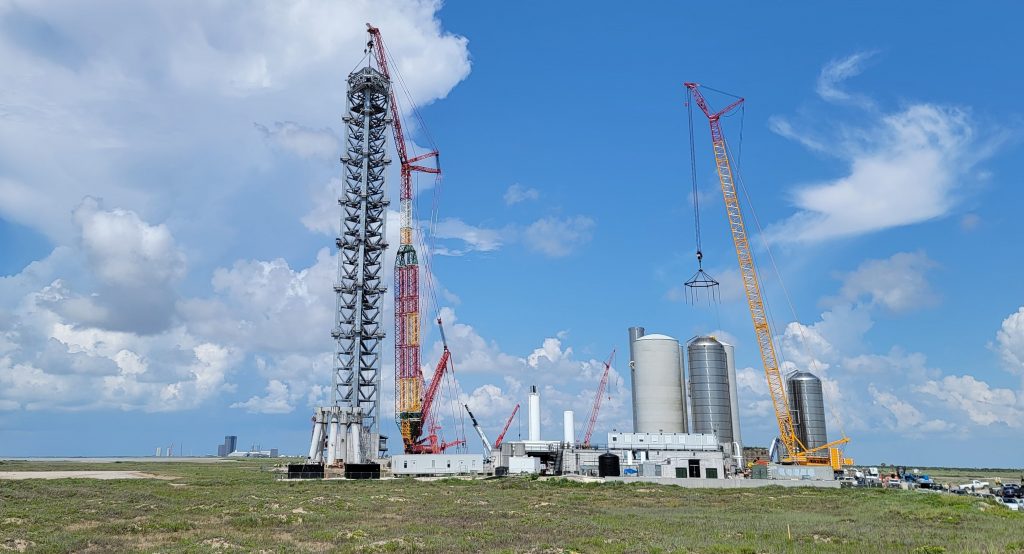
Through Starbase, SpaceX has already demonstrated the ability to stack a Starship launch tower from its unoccupied concrete base to its final height of ~145 meters (~475 ft) in about two months flat. While SpaceX will have to slalom its way around Pad 39A?s busy launch manifest, there?s no reason to believe that Starship?s first Florida launch tower won?t be stacked at least as quickly.
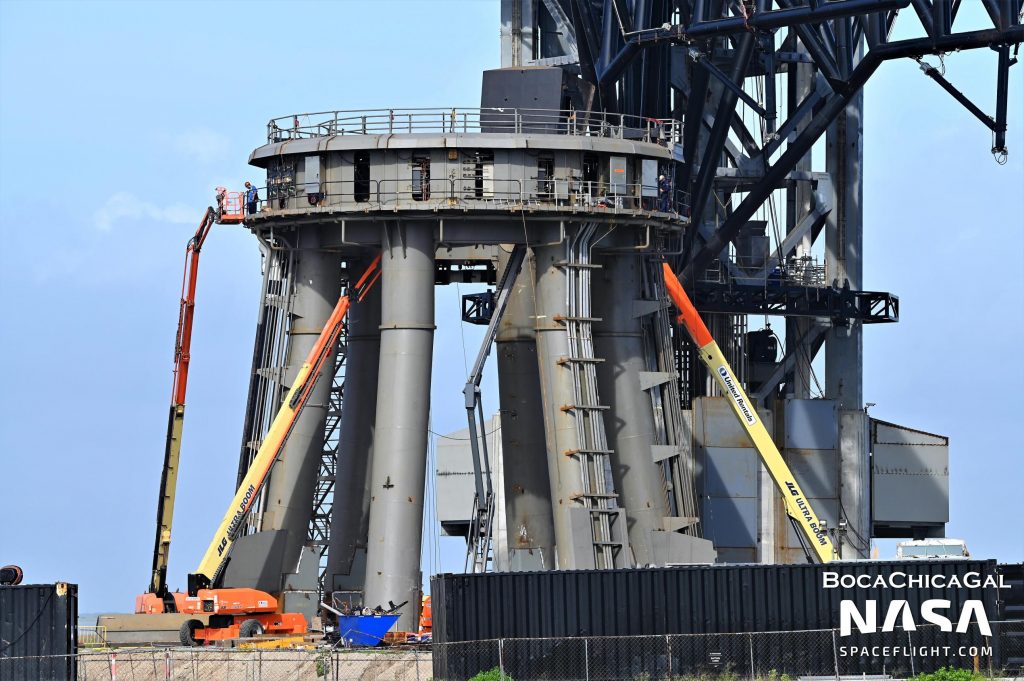
Aside from the arrival of crane parts, SpaceX has also made great progress on the Starship launch site itself. In the last few weeks, the company appears to have completed several significant concrete pours on the tower base. SpaceX has also installed all six of the pedestal-like orbital launch mount?s legs after months of foundation work. Elsewhere at Cape Canaveral, a different team has made excellent progress assembling the massive donut-like platform that will sit on top of those legs. Due to its extreme weight (possibly around 300 metric tons, per Elon Musk?s comments on the Starbase mount), the same LR 11350 crane will also be needed for that major installation milestone.
Starbase?s orbital launch mount. Starship?s Florida mount has incorporated many design changes. (NASASpaceflight ? bocachicagal)
Plenty of parts are still missing, of course. Four tower sections still need to be assembled. Starship?s first Florida launch tower will need its own set of two ?chopstick? arms for lifting and (maybe) catching Starship and Super Heavy, as well as a third swinging quick-disconnect arm to connect Starship to ground systems. Aside from delivering several new tanks, SpaceX has also made no apparent progress on adding a massive methane propellant farm to Pad 39A, and it?s possible that the pad?s oxygen farm will also need to be expanded. Propellant storage has proven to be a major headache for SpaceX at Starbase.
Nonetheless, SpaceX is making great progress on most of the most difficult parts of Starship?s first Florida launch site, and there?s a good chance that just like its launch mount, work on the pad?s tower arms is already underway somewhere offsite. A great deal of work remains to be done but SpaceX is still well on its way to launching Starships out of Kennedy Space Center in the not-too-distant future.
SpaceX preparing giant crane to assemble Starship?s first Florida launch tower
)
[wfw] => Array
(
[commentrss] => https://bbc-edition.com/space/spacex-preparing-giant-crane-to-assemble-starships-first-florida-launch-tower/feed/
)
[slash] => Array
(
[comments] => 0
)
[summary] => SpaceX has begun staging and assembling parts of a giant crane it will soon need to stack Starship?s first East Coast launch tower and install other major launch pad components. The presence of the base of that crane at SpaceX?s NASA Kennedy Space Center (KSC) Launch Complex 39A was visually confirmed by NASASpaceflight.com photographers during ... Read more
[atom_content] =>
SpaceX has begun staging and assembling parts of a giant crane it will soon need to stack Starship?s first East Coast launch tower and install other major launch pad components.
The presence of the base of that crane at SpaceX?s NASA Kennedy Space Center (KSC) Launch Complex 39A was visually confirmed by NASASpaceflight.com photographers during a weekly aerial tour of the area on June 3rd. Four days later, Teslarati photographer Richard Angle observed more major crane components on their way to Pad 39A, including the crane?s cabin.
More likely than not, the crane SpaceX or its contractor has begun assembling at 39A is a Liebherr LR 11350, the same kind of crane the company used to assemble Starship?s first orbital launch site and tower in South Texas. In fact, given how few LR 11350s there are in existence, it?s entirely possible that it?s the exact same crane. Assembly of that crane began around April 2021 and took a month and a half, at which point it was finally ready to lift an extended boom long enough to assemble a tower almost 500 feet (~150 meters) tall.
Pad 39A?s Starship launch tower is expected to be very similar to Starbase?s, although it will undoubtedly carry over numerous design changes thanks to lessons learned while building and outfitting the first tower. In fact, SpaceX has already assembled five of the nine individual sections that will eventually be stacked to form that tower, and one such change is already obvious. Instead of stacking each tower section as soon as its barebones framework is complete, SpaceX is taking a more methodical approach to its second launch tower. In an apparent attempt to limit the amount of work that needs to be done at Pad 39A itself, each of those segments is being thoroughly outfitted with secondary structures (ladders, doors, walkways, frames, raceways, etc.) before stacking.
SpaceX may even pre-install most of the thousands of feet of plumbing needed to connect a Starship to ground systems located around 90 meters (~300 ft) below it. Once stacked, each section ? including all those partial propellant and gas lines ? will still need to be joined together, but that process should be far easier than fully installing all the systems the tower needs to do its job. Outfitting Starbase?s launch tower, for example, took SpaceX around half a year and, to some extent, is still ongoing 11 months after the final stack. That likely explains why Starship?s 39A tower section assembly appears to be taking more time. With any luck, partially combining the outfitting and section assembly stages will significantly expedite final assembly, as far less work will need to be done at extreme heights or require a skyscraper-sized crane.
Went out for a flyby of #SpaceX & #NASA this morning before the rain rolled in. Many new structures being built at SX and the building looks almost complete. While the closest we can get to the #Starship pad at 39A is 5 miles away @FarryFaz & I got a few good shots thru the haze. pic.twitter.com/hggrF4fdN7
SpaceX?s Starship launch tower was stacked to its full height on July 28th. (@StarshipGazer)
Through Starbase, SpaceX has already demonstrated the ability to stack a Starship launch tower from its unoccupied concrete base to its final height of ~145 meters (~475 ft) in about two months flat. While SpaceX will have to slalom its way around Pad 39A?s busy launch manifest, there?s no reason to believe that Starship?s first Florida launch tower won?t be stacked at least as quickly.
Aside from the arrival of crane parts, SpaceX has also made great progress on the Starship launch site itself. In the last few weeks, the company appears to have completed several significant concrete pours on the tower base. SpaceX has also installed all six of the pedestal-like orbital launch mount?s legs after months of foundation work. Elsewhere at Cape Canaveral, a different team has made excellent progress assembling the massive donut-like platform that will sit on top of those legs. Due to its extreme weight (possibly around 300 metric tons, per Elon Musk?s comments on the Starbase mount), the same LR 11350 crane will also be needed for that major installation milestone.
Starbase?s orbital launch mount. Starship?s Florida mount has incorporated many design changes. (NASASpaceflight ? bocachicagal)
Plenty of parts are still missing, of course. Four tower sections still need to be assembled. Starship?s first Florida launch tower will need its own set of two ?chopstick? arms for lifting and (maybe) catching Starship and Super Heavy, as well as a third swinging quick-disconnect arm to connect Starship to ground systems. Aside from delivering several new tanks, SpaceX has also made no apparent progress on adding a massive methane propellant farm to Pad 39A, and it?s possible that the pad?s oxygen farm will also need to be expanded. Propellant storage has proven to be a major headache for SpaceX at Starbase.
Nonetheless, SpaceX is making great progress on most of the most difficult parts of Starship?s first Florida launch site, and there?s a good chance that just like its launch mount, work on the pad?s tower arms is already underway somewhere offsite. A great deal of work remains to be done but SpaceX is still well on its way to launching Starships out of Kennedy Space Center in the not-too-distant future.
SpaceX preparing giant crane to assemble Starship?s first Florida launch tower
[date_timestamp] => 1654749465
)
[7] => Array
(
[title] => SatRev to Build Poland?s First Nanosatellite Factory
[link] => https://bbc-edition.com/space/satrev-to-build-polands-first-nanosatellite-factory/
[comments] => https://bbc-edition.com/space/satrev-to-build-polands-first-nanosatellite-factory/#respond
[dc] => Array
(
[creator] => Susan Hall
)
[pubdate] => Thu, 09 Jun 2022 03:08:34 +0000
[category] => SpacebuildFactoryNanosatellitePolandsSATREV
[guid] => https://bbc-edition.com/space/satrev-to-build-polands-first-nanosatellite-factory/
[description] => A rendering of SatRev?s flagship project currently in development? a constellation of 1500 6U cubesats. Photo: SatRev Polish space company SatRev is partnering with a local economic entity to build Poland?s first nanosatellite factory in Legnica, Poland. SatRev announced the partnership with Legnica Special Economic Zone on June 6. SatRev specializes in the design, manufacture, ... Read more
[content] => Array
(
[encoded] =>
A rendering of SatRev?s flagship project currently in development ? a constellation of 1500 6U cubesats. Photo: SatRev
Polish space company SatRev is partnering with a local economic entity to build Poland?s first nanosatellite factory in Legnica, Poland. SatRev announced the partnership with Legnica Special Economic Zone on June 6. SatRev specializes in the design, manufacture, and mission operation of optical satellites and space programs for Earth observation. The company plans to build a constellation of more than 1,000 satellites, and said this facility will increase production for the constellation.
Per the agreement with the economic zone, SatRev intends to be the world?s first satellite manufacturer that uses 100% energy obtained from renewable sources in its production process. Once requirements have been met, SatRev will receive public aid for the factory.
?By 2026 we plan to create a constellation of 1,000 Earth Observation satellites. To achieve this goal, we needed a place to increase our production, and we found the needed support in the Legnica Special Economic Zone. The cooperation agreement is the next step in the development of both the company and the Polish space sector,? said Grzegorz Zwolinski, CEO and co-founder of SatRev.
Preparation for the factory project is nearing completion. The next stage will involve acquiring land, financing, and selecting a contractor.
SatRev also has a strategic partnership with Virgin Orbit to develop business applications for nanosatellites, and Virgin Orbit invested in its Series B funding round last year. SatRev was a customer on Virgin Orbit?s first commercial missionthe Above the Clouds missionand upcoming launch from Spaceport Cornwall this summer.
)
[wfw] => Array
(
[commentrss] => https://bbc-edition.com/space/satrev-to-build-polands-first-nanosatellite-factory/feed/
)
[slash] => Array
(
[comments] => 0
)
[summary] => A rendering of SatRev?s flagship project currently in development? a constellation of 1500 6U cubesats. Photo: SatRev Polish space company SatRev is partnering with a local economic entity to build Poland?s first nanosatellite factory in Legnica, Poland. SatRev announced the partnership with Legnica Special Economic Zone on June 6. SatRev specializes in the design, manufacture, ... Read more
[atom_content] =>
A rendering of SatRev?s flagship project currently in development ? a constellation of 1500 6U cubesats. Photo: SatRev
Polish space company SatRev is partnering with a local economic entity to build Poland?s first nanosatellite factory in Legnica, Poland. SatRev announced the partnership with Legnica Special Economic Zone on June 6. SatRev specializes in the design, manufacture, and mission operation of optical satellites and space programs for Earth observation. The company plans to build a constellation of more than 1,000 satellites, and said this facility will increase production for the constellation.
Per the agreement with the economic zone, SatRev intends to be the world?s first satellite manufacturer that uses 100% energy obtained from renewable sources in its production process. Once requirements have been met, SatRev will receive public aid for the factory.
?By 2026 we plan to create a constellation of 1,000 Earth Observation satellites. To achieve this goal, we needed a place to increase our production, and we found the needed support in the Legnica Special Economic Zone. The cooperation agreement is the next step in the development of both the company and the Polish space sector,? said Grzegorz Zwolinski, CEO and co-founder of SatRev.
Preparation for the factory project is nearing completion. The next stage will involve acquiring land, financing, and selecting a contractor.
SatRev also has a strategic partnership with Virgin Orbit to develop business applications for nanosatellites, and Virgin Orbit invested in its Series B funding round last year. SatRev was a customer on Virgin Orbit?s first commercial missionthe Above the Clouds missionand upcoming launch from Spaceport Cornwall this summer.
[date_timestamp] => 1654744114
)
[8] => Array
(
[title] => Fleet Space Technologies and SpaceX launch next-generation satellites into low Earth orbit
[link] => https://bbc-edition.com/space/fleet-space-technologies-and-spacex-launch-next-generation-satellites-into-low-earth-orbit/
[comments] => https://bbc-edition.com/space/fleet-space-technologies-and-spacex-launch-next-generation-satellites-into-low-earth-orbit/#respond
[dc] => Array
(
[creator] => Susan Hall
)
[pubdate] => Thu, 09 Jun 2022 01:38:27 +0000
[category] => SpaceEarthfleetLaunchNextGenerationOrbitsatellitesspaceSpacextechnologies
[guid] => https://bbc-edition.com/space/fleet-space-technologies-and-spacex-launch-next-generation-satellites-into-low-earth-orbit/
[description] => Photo: Fleet Fleet Space Technologies has announced the successful launch of the next-generation Centauri 5 satellite carrying the Space X Falcon 9 Transporter 5 mission. The launch took place on May 26 at 03:57 ACST. This was the company’s third launch with SpaceX, following the successful launch of Centauri 4 with the Transporter 2 mission ... Read more
[content] => Array
(
[encoded] =>
Fleet Space Technologies has announced the successful launch of the next-generation Centauri 5 satellite carrying the Space X Falcon 9 Transporter 5 mission. The launch took place on May 26 at 03:57 ACST.
This was the company’s third launch with SpaceX, following the successful launch of Centauri 4 with the Transporter 2 mission in June 2021.
?We have built our business and reputation by consistently executing on our stated goals and developing technologies that reliably and cost-effectively meet real human and commercial needs. Centauri 5 will add important new capabilities to our existing constellation. It also supports the development of our upcoming Alpha constellation, which will enable our groundbreaking ExoSphere mineral exploration tool with transformative benefits for exploration of critical energy conversion materials,? said Flavia Tata Nardini, CEO and co-founder of Fleet Space Technologies.
Centauri 5 will be launched into Low Earth Orbit (LEO) at an estimated altitude of 530 km (330 miles). Measuring 6U in size and weighing a total of 12kg, the Mikrosat will increase capacity, reduce latency and provide additional network redundancy in the existing six-person Centauri constellation that Fleet operates in partnership with Tyvak International.
Upgrades to the Centauri 4 payload include improvements that mitigate the effects of low-Earth Orbit (LEO) radiation, direct communications links to Fleet’s ground station, and an extended S-band range that allows uplinks on standard ground station frequencies.
Digital beamforming provides additional gain, increasing the data rate, and also allows the S-band frequency channels to be reused on the different beams. This combination increases the data capacity of the satellite by 2.6 times. A world first is that the all-metal patch antennas are fully 3D printed.
The advances in 3D printing technology used in the construction of the patch antenna will also feed into the development of the future fully 3D printed Micro Alpha constellation, which is scheduled for launch in 2023. Together, the two systems will provide continuous coverage, data rates up to 520 kbps, and tailored frequency bands for current and future generations of IoT devices.
The combined constellation also enables Fleet Space’s ExoSphere system. This system is transforming mineral exploration by using ambient noise tomography to locate critical resources up to 100 times faster and with far less environmental impact than traditional methods such as blasting, vibroseis machines and drilling.
The launch of Centauri 5 strengthens Fleet Space’s position in Australia’s burgeoning space industry, which the federal government projects will be worth $12 billion by 2030 and add 20,000 jobs.
Find out more about Fleet Space Technologies hereand more about SpaceX can be found hereand more about Tyvak International can be found here.
Don’t miss any more news!
We deliver the most important news and information on the subject of 3D printing to your inbox every week free of charge. SIGN UP HERE.
)
[wfw] => Array
(
[commentrss] => https://bbc-edition.com/space/fleet-space-technologies-and-spacex-launch-next-generation-satellites-into-low-earth-orbit/feed/
)
[slash] => Array
(
[comments] => 0
)
[summary] => Photo: Fleet Fleet Space Technologies has announced the successful launch of the next-generation Centauri 5 satellite carrying the Space X Falcon 9 Transporter 5 mission. The launch took place on May 26 at 03:57 ACST. This was the company’s third launch with SpaceX, following the successful launch of Centauri 4 with the Transporter 2 mission ... Read more
[atom_content] =>
Fleet Space Technologies has announced the successful launch of the next-generation Centauri 5 satellite carrying the Space X Falcon 9 Transporter 5 mission. The launch took place on May 26 at 03:57 ACST.
This was the company’s third launch with SpaceX, following the successful launch of Centauri 4 with the Transporter 2 mission in June 2021.
?We have built our business and reputation by consistently executing on our stated goals and developing technologies that reliably and cost-effectively meet real human and commercial needs. Centauri 5 will add important new capabilities to our existing constellation. It also supports the development of our upcoming Alpha constellation, which will enable our groundbreaking ExoSphere mineral exploration tool with transformative benefits for exploration of critical energy conversion materials,? said Flavia Tata Nardini, CEO and co-founder of Fleet Space Technologies.
Centauri 5 will be launched into Low Earth Orbit (LEO) at an estimated altitude of 530 km (330 miles). Measuring 6U in size and weighing a total of 12kg, the Mikrosat will increase capacity, reduce latency and provide additional network redundancy in the existing six-person Centauri constellation that Fleet operates in partnership with Tyvak International.
Upgrades to the Centauri 4 payload include improvements that mitigate the effects of low-Earth Orbit (LEO) radiation, direct communications links to Fleet’s ground station, and an extended S-band range that allows uplinks on standard ground station frequencies.
Digital beamforming provides additional gain, increasing the data rate, and also allows the S-band frequency channels to be reused on the different beams. This combination increases the data capacity of the satellite by 2.6 times. A world first is that the all-metal patch antennas are fully 3D printed.
The advances in 3D printing technology used in the construction of the patch antenna will also feed into the development of the future fully 3D printed Micro Alpha constellation, which is scheduled for launch in 2023. Together, the two systems will provide continuous coverage, data rates up to 520 kbps, and tailored frequency bands for current and future generations of IoT devices.
The combined constellation also enables Fleet Space’s ExoSphere system. This system is transforming mineral exploration by using ambient noise tomography to locate critical resources up to 100 times faster and with far less environmental impact than traditional methods such as blasting, vibroseis machines and drilling.
The launch of Centauri 5 strengthens Fleet Space’s position in Australia’s burgeoning space industry, which the federal government projects will be worth $12 billion by 2030 and add 20,000 jobs.
Find out more about Fleet Space Technologies hereand more about SpaceX can be found hereand more about Tyvak International can be found here.
Don’t miss any more news!
We deliver the most important news and information on the subject of 3D printing to your inbox every week free of charge. SIGN UP HERE.
[date_timestamp] => 1654738707
)
[9] => Array
(
[title] => ?The war has highlighted the place of Russia and Ukraine in the production and export of cereals?
[link] => https://bbc-edition.com/space/the-war-has-highlighted-the-place-of-russia-and-ukraine-in-the-production-and-export-of-cereals/
[comments] => https://bbc-edition.com/space/the-war-has-highlighted-the-place-of-russia-and-ukraine-in-the-production-and-export-of-cereals/#respond
[dc] => Array
(
[creator] => Susan Hall
)
[pubdate] => Thu, 09 Jun 2022 00:09:49 +0000
[category] => SpacecerealsexporthighlightedplaceproductionRussiaUkrainewar
[guid] => https://bbc-edition.com/space/the-war-has-highlighted-the-place-of-russia-and-ukraine-in-the-production-and-export-of-cereals/
[description] => Trade, diplomacy: why is Ukrainian wheat a crucial and strategic element in the war? In 2022, the production of grains and oilseeds in Ukraine is expected to fall by 40% compared to 2021, due to the war. Is Ukraine’s food security at stake? Why is the export of cereals a central concern? What impact can ... Read more
[content] => Array
(
[encoded] =>
Trade, diplomacy: why is Ukrainian wheat a crucial and strategic element in the war? In 2022, the production of grains and oilseeds in Ukraine is expected to fall by 40% compared to 2021, due to the war. Is Ukraine’s food security at stake? Why is the export of cereals a central concern? What impact can this have on wheat needs in the rest of the world? Luc Bronner, senior reporter at Mondeanswered your questions in a chat.
The turret of a destroyed armored fighting vehicle lies in a wheat field in Chernihiv region, Ukraine, June 7, 2022, as Russia’s attack on Ukraine continues. VLADYSLAV MUSIIENKO / REUTERSRead also:Article reserved for our subscribers War in Ukraine: storm warning for the breadbasket of the world
Mathieu: Don’t Ukrainian farmers who are men and adults have an obligation to take part in the fighting? If so, how do farmers maintain grain and oilseed production at 60%?
At the start of the war, on February 24, all men under the age of 60 could be mobilized. But, after a few weeks of conflict, faced with the issue of agricultural production in Ukraine, the Zelensky government has set up a derogatory system for farmers so that they are exempt from conscription. It was essential, from the Ukrainian point of view, to ensure work in the fields in the spring, when, for example, corn is sown. This allowed farmers, at least in territories spared from the fighting, to sow.
Gurth: I feel like we’ve only recently learned about the impact the war is having on the delivery of wheat (and other commodities and materials) from Ukraine. Couldn’t the staffs of the European countries have anticipated this point?
The war has effectively highlighted the place taken by Russia and Ukraine in the production and export of cereals. In Ukraine, in particular, exports have increased very dramatically in recent years. The food weapon is unfortunately a weapon as old as war. The general staffs are obviously aware of this, but the operational solutions are not simple since NATO does not want to commit troops ? or ships ? to the Russian armies. Escorting ships loaded with wheat supposes, moreover, that the ports of the Black Sea are cleared of mines. But how will the Ukrainians agree to open their ports with the risk that the Russians will take advantage of this to attack them? This explains why, on the Ukrainian side, the current discussions are viewed with extreme caution.
Read also:Article reserved for our subscribers War in Ukraine: Turkey poses as mediator of the wheat crisis
Kirsa: Please, wheat: a threat to heighten fear around the world? Or is there already a noticeable shortage in different countries?
The food crisis is ahead of us. For the time being, indeed, these are concerns expressed based on the state of stocks, historically high wheat prices and threats to the 2022 summer harvest, then to the preparation for sowing the autumn 2022 in Ukraine. All of these factors add to an already tense situation due to the effects of Covid-19, rising commodity prices, the rising cost of fertilizers, which have driven up prices. International organizations are therefore alarmed by the consequences in the most fragile countries and the most dependent on Russian and Ukrainian exports: Egypt, Lebanon, Tunisia, for example, as well as Africa. It also increases the costs for the humanitarian organizations that support the survival of millions of people around the world, such as Syrian refugees, for example.
Read also:Article reserved for our subscribers Why the war in Ukraine threatens global food security
Guy: Specialists seem to say that it is not wheat but Ukrainian maize that is likely to pose a problem for world food. What do you think ?
You are right to insist on the issue of corn, which is symbolically weaker than wheat, but extremely important. Ukraine produces millions of tons of corn every year. For the 2022 crop, for which planting began after the start of the Russian invasion, many farmers have chosen to reduce their share of maize production to cut costs ? maize is, indeed, quite expensive to produce. and to transport. Estimated production this year is expected to be 26 million tonnes, compared to around 37 million the previous year. Of this production, how much can be exported if the Black Sea ports remain blocked? That’s the whole question. And depending on the answer, the effects on the European and global market will be more or less marked.
Maz: Isn’t the responsibility for the food crisis (and more generally the inflation affecting many economic sectors) incumbent on the financial markets and traders who are artificially inflating prices in the face of a lackluster economic situation? ?
In current grain prices, there is an obvious element of speculation. But what percentage? I couldn’t tell you. Some international players are betting on scarcity and can play on stocks hoping that prices will rise. Unfortunately, this too is an old practice. But it is all the more unbearable, in this period, that it risks endangering lives, millions of lives, because of the prices of basic foodstuffs which can quickly become inaccessible for the poorest in poor countries.
Read also: For UNHCR, the war in Ukraine must not overshadow the displaced in the Sahel
Christine C.: If there is a generalized food shortage, won’t Russia suffer a rebound?
Russia has profoundly transformed its agricultural production system to become another breadbasket for the whole world. The latest estimates point to a wheat production that could represent 87 million tonnes for the harvest this summer. This is considerable, well above the averages of the last five years. Russian consumption represents only a very small part of this production, so there is no immediate risk of a shortage of these agricultural products.
Jacky: Why persist in taking the sea to export cereals when they can transit by road or rail to an EU port?
This is an essential question. The Black Sea ports represent, in peacetime, about 95% of grain exports harvested in Ukraine. In Odessa, Yuzhne, Mykolaiv, for example, gigantic elevators make it possible to load Panamaxes, ships capable of transporting more than 50,000 tons per cargo. If you want to do the same by road, you can load 24 tons by truck. Each ship thus represents the equivalent of 2,000 trucks?
The problem is more complex for rail. Ukraine is certainly endowed with a rather exceptional railway network. But, unfortunately, the gauge of the rails built by the USSR in Ukraine is not the same as that of the rails in Poland or Romania. Consequence: it is necessary to tranship each wagon, one by one, at the border. And each wagon can only carry 70 tons. A 50,000 ton ship would thus represent more than 700 wagons. Despite quite impressive efforts, the Ukrainians have managed to export only 1 million to 1.5 million tonnes per month in the past two months compared to 5 million to 6 million tonnes in normal times. The logistical challenge is therefore immense to move from ports to roads or railways.
Whoever: When we talk about Ukrainian wheat, are we talking about the ?free? exports of Ukrainian agriculture or Russian war grabs (thefts) from Ukrainian stocks in the occupied areas?
Current statistics on Ukrainian cereals correspond to production in territory not occupied by the Russians. The Ukrainian government mentioned the theft of more than 500,000 tonnes of grain by the Russians, part of which was sent to Crimea. The Russians have already tried to export it abroad. One of the difficulties for Westerners is to identify stolen wheat and distinguish it from non-stolen wheat, authorized for export. A very good connoisseur explained to me that there were approximately 5 million tons of wheat today kept in silos in territories under Russian control. It is possible that the Russians will seize it. They will no doubt also try to harvest the wheat sown in the fall of 2021 and which will mature in a few weeks on land under their control.
Read the analysis:Article reserved for our subscribers War in Ukraine: soaring grain prices shake French farmers
Stef: Can the food dependence of highly populated countries, such as Egypt, be overcome by reorienting agricultural policies towards self-sufficiency?
The dependence of countries like Egypt, Lebanon or Tunisia is part of a long time. Obviously, not all countries benefit from the same agricultural resources. Ukraine, in particular, has “black earth” extraordinarily productive, with a very favorable climate. This is not the case, today, of countries like Egypt or Tunisia, for example, which cannot feed their populations with their own productions.
Our selection of articles on the war in Ukraine
The world
)
[wfw] => Array
(
[commentrss] => https://bbc-edition.com/space/the-war-has-highlighted-the-place-of-russia-and-ukraine-in-the-production-and-export-of-cereals/feed/
)
[slash] => Array
(
[comments] => 0
)
[summary] => Trade, diplomacy: why is Ukrainian wheat a crucial and strategic element in the war? In 2022, the production of grains and oilseeds in Ukraine is expected to fall by 40% compared to 2021, due to the war. Is Ukraine’s food security at stake? Why is the export of cereals a central concern? What impact can ... Read more
[atom_content] =>
Trade, diplomacy: why is Ukrainian wheat a crucial and strategic element in the war? In 2022, the production of grains and oilseeds in Ukraine is expected to fall by 40% compared to 2021, due to the war. Is Ukraine’s food security at stake? Why is the export of cereals a central concern? What impact can this have on wheat needs in the rest of the world? Luc Bronner, senior reporter at Mondeanswered your questions in a chat.
The turret of a destroyed armored fighting vehicle lies in a wheat field in Chernihiv region, Ukraine, June 7, 2022, as Russia’s attack on Ukraine continues. VLADYSLAV MUSIIENKO / REUTERSRead also:Article reserved for our subscribers War in Ukraine: storm warning for the breadbasket of the world
Mathieu: Don’t Ukrainian farmers who are men and adults have an obligation to take part in the fighting? If so, how do farmers maintain grain and oilseed production at 60%?
At the start of the war, on February 24, all men under the age of 60 could be mobilized. But, after a few weeks of conflict, faced with the issue of agricultural production in Ukraine, the Zelensky government has set up a derogatory system for farmers so that they are exempt from conscription. It was essential, from the Ukrainian point of view, to ensure work in the fields in the spring, when, for example, corn is sown. This allowed farmers, at least in territories spared from the fighting, to sow.
Gurth: I feel like we’ve only recently learned about the impact the war is having on the delivery of wheat (and other commodities and materials) from Ukraine. Couldn’t the staffs of the European countries have anticipated this point?
The war has effectively highlighted the place taken by Russia and Ukraine in the production and export of cereals. In Ukraine, in particular, exports have increased very dramatically in recent years. The food weapon is unfortunately a weapon as old as war. The general staffs are obviously aware of this, but the operational solutions are not simple since NATO does not want to commit troops ? or ships ? to the Russian armies. Escorting ships loaded with wheat supposes, moreover, that the ports of the Black Sea are cleared of mines. But how will the Ukrainians agree to open their ports with the risk that the Russians will take advantage of this to attack them? This explains why, on the Ukrainian side, the current discussions are viewed with extreme caution.
Read also:Article reserved for our subscribers War in Ukraine: Turkey poses as mediator of the wheat crisis
Kirsa: Please, wheat: a threat to heighten fear around the world? Or is there already a noticeable shortage in different countries?
The food crisis is ahead of us. For the time being, indeed, these are concerns expressed based on the state of stocks, historically high wheat prices and threats to the 2022 summer harvest, then to the preparation for sowing the autumn 2022 in Ukraine. All of these factors add to an already tense situation due to the effects of Covid-19, rising commodity prices, the rising cost of fertilizers, which have driven up prices. International organizations are therefore alarmed by the consequences in the most fragile countries and the most dependent on Russian and Ukrainian exports: Egypt, Lebanon, Tunisia, for example, as well as Africa. It also increases the costs for the humanitarian organizations that support the survival of millions of people around the world, such as Syrian refugees, for example.
Read also:Article reserved for our subscribers Why the war in Ukraine threatens global food security
Guy: Specialists seem to say that it is not wheat but Ukrainian maize that is likely to pose a problem for world food. What do you think ?
You are right to insist on the issue of corn, which is symbolically weaker than wheat, but extremely important. Ukraine produces millions of tons of corn every year. For the 2022 crop, for which planting began after the start of the Russian invasion, many farmers have chosen to reduce their share of maize production to cut costs ? maize is, indeed, quite expensive to produce. and to transport. Estimated production this year is expected to be 26 million tonnes, compared to around 37 million the previous year. Of this production, how much can be exported if the Black Sea ports remain blocked? That’s the whole question. And depending on the answer, the effects on the European and global market will be more or less marked.
Maz: Isn’t the responsibility for the food crisis (and more generally the inflation affecting many economic sectors) incumbent on the financial markets and traders who are artificially inflating prices in the face of a lackluster economic situation? ?
In current grain prices, there is an obvious element of speculation. But what percentage? I couldn’t tell you. Some international players are betting on scarcity and can play on stocks hoping that prices will rise. Unfortunately, this too is an old practice. But it is all the more unbearable, in this period, that it risks endangering lives, millions of lives, because of the prices of basic foodstuffs which can quickly become inaccessible for the poorest in poor countries.
Read also: For UNHCR, the war in Ukraine must not overshadow the displaced in the Sahel
Christine C.: If there is a generalized food shortage, won’t Russia suffer a rebound?
Russia has profoundly transformed its agricultural production system to become another breadbasket for the whole world. The latest estimates point to a wheat production that could represent 87 million tonnes for the harvest this summer. This is considerable, well above the averages of the last five years. Russian consumption represents only a very small part of this production, so there is no immediate risk of a shortage of these agricultural products.
Jacky: Why persist in taking the sea to export cereals when they can transit by road or rail to an EU port?
This is an essential question. The Black Sea ports represent, in peacetime, about 95% of grain exports harvested in Ukraine. In Odessa, Yuzhne, Mykolaiv, for example, gigantic elevators make it possible to load Panamaxes, ships capable of transporting more than 50,000 tons per cargo. If you want to do the same by road, you can load 24 tons by truck. Each ship thus represents the equivalent of 2,000 trucks?
The problem is more complex for rail. Ukraine is certainly endowed with a rather exceptional railway network. But, unfortunately, the gauge of the rails built by the USSR in Ukraine is not the same as that of the rails in Poland or Romania. Consequence: it is necessary to tranship each wagon, one by one, at the border. And each wagon can only carry 70 tons. A 50,000 ton ship would thus represent more than 700 wagons. Despite quite impressive efforts, the Ukrainians have managed to export only 1 million to 1.5 million tonnes per month in the past two months compared to 5 million to 6 million tonnes in normal times. The logistical challenge is therefore immense to move from ports to roads or railways.
Whoever: When we talk about Ukrainian wheat, are we talking about the ?free? exports of Ukrainian agriculture or Russian war grabs (thefts) from Ukrainian stocks in the occupied areas?
Current statistics on Ukrainian cereals correspond to production in territory not occupied by the Russians. The Ukrainian government mentioned the theft of more than 500,000 tonnes of grain by the Russians, part of which was sent to Crimea. The Russians have already tried to export it abroad. One of the difficulties for Westerners is to identify stolen wheat and distinguish it from non-stolen wheat, authorized for export. A very good connoisseur explained to me that there were approximately 5 million tons of wheat today kept in silos in territories under Russian control. It is possible that the Russians will seize it. They will no doubt also try to harvest the wheat sown in the fall of 2021 and which will mature in a few weeks on land under their control.
Read the analysis:Article reserved for our subscribers War in Ukraine: soaring grain prices shake French farmers
Stef: Can the food dependence of highly populated countries, such as Egypt, be overcome by reorienting agricultural policies towards self-sufficiency?
The dependence of countries like Egypt, Lebanon or Tunisia is part of a long time. Obviously, not all countries benefit from the same agricultural resources. Ukraine, in particular, has “black earth” extraordinarily productive, with a very favorable climate. This is not the case, today, of countries like Egypt or Tunisia, for example, which cannot feed their populations with their own productions.

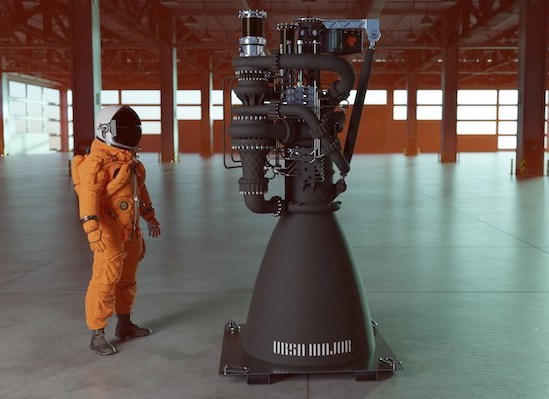
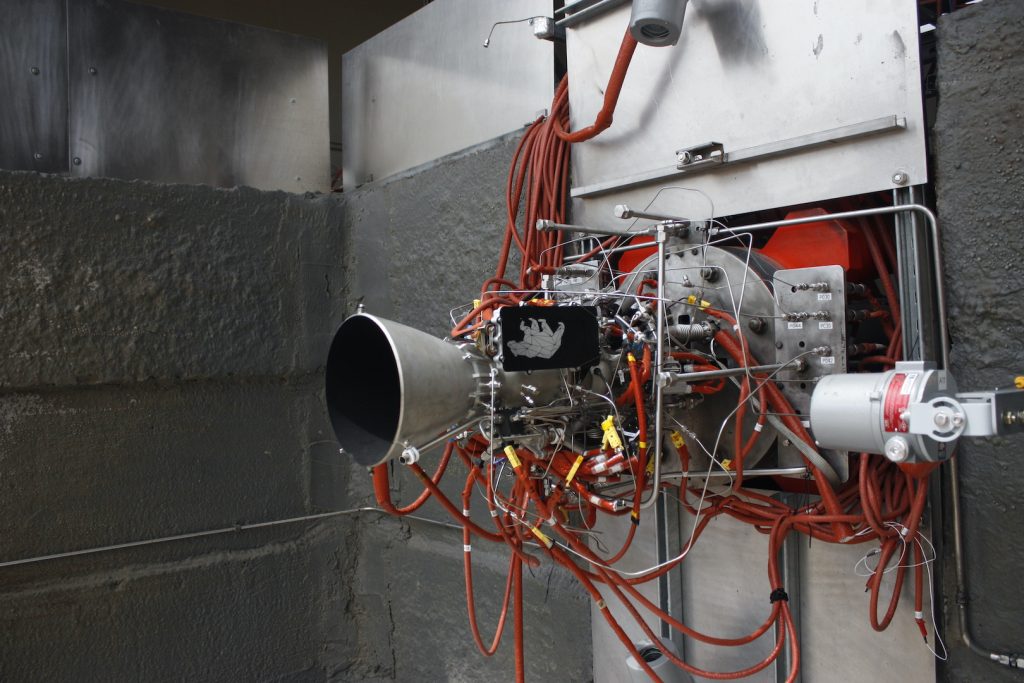
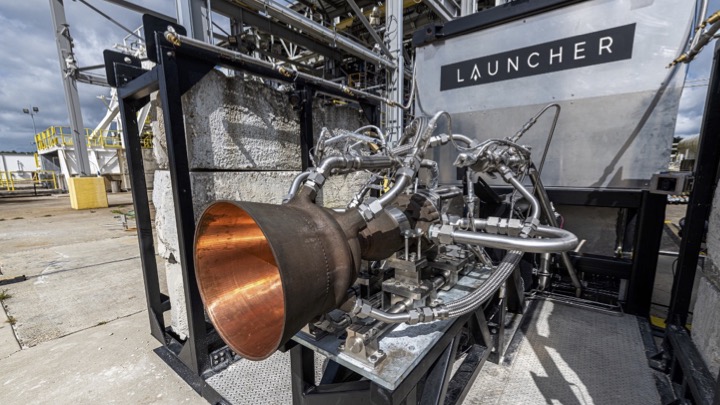
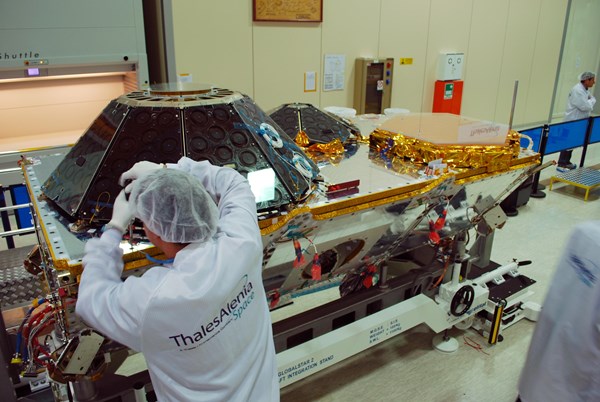
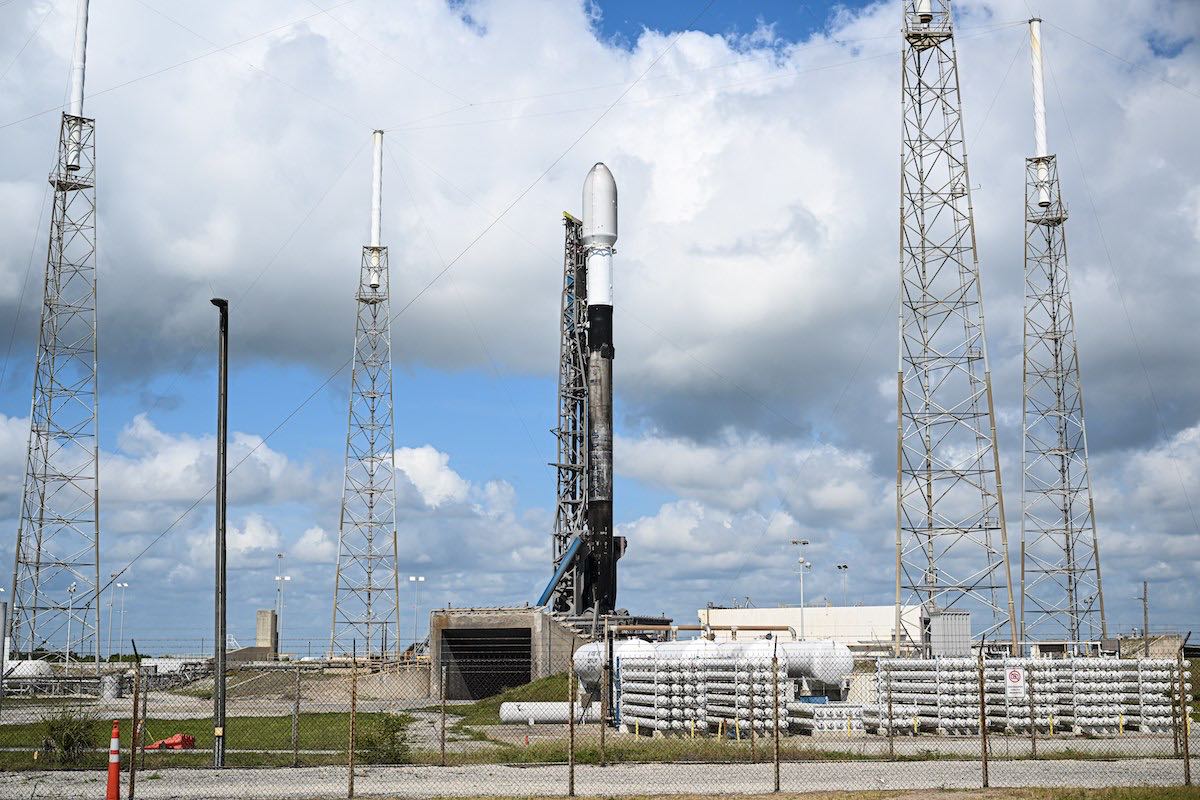
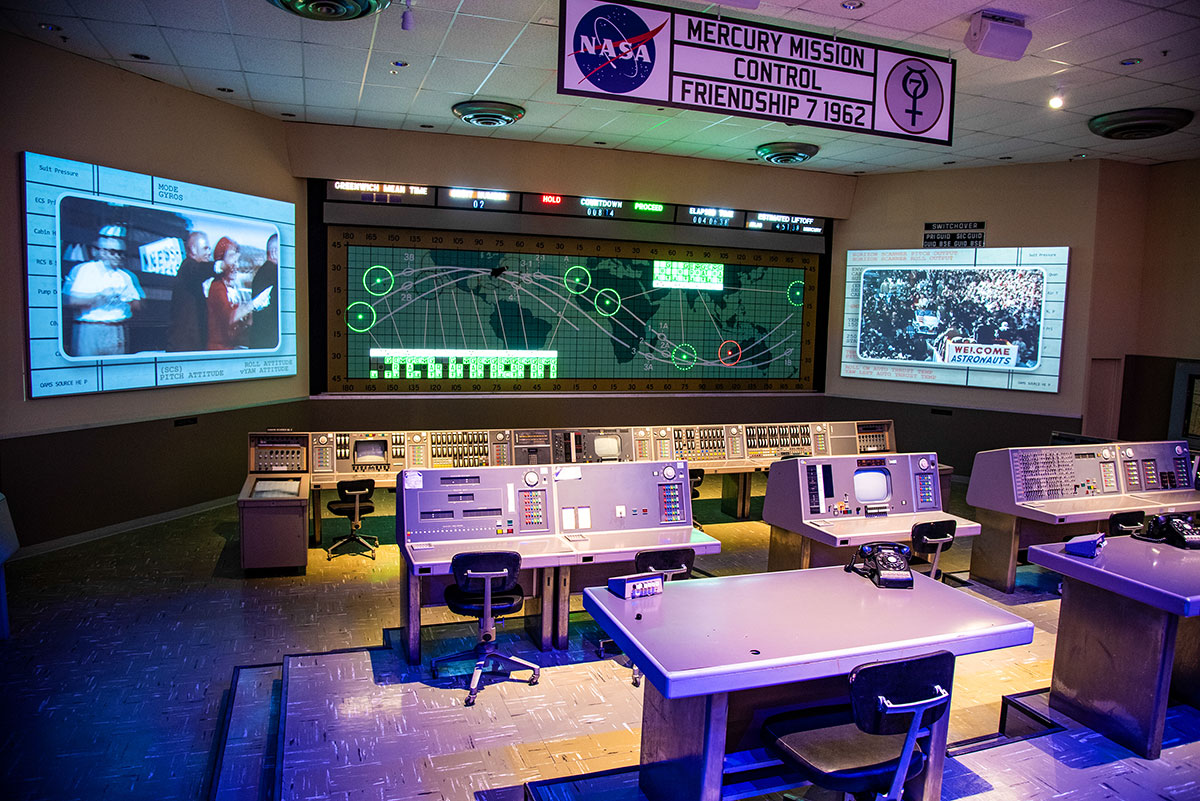
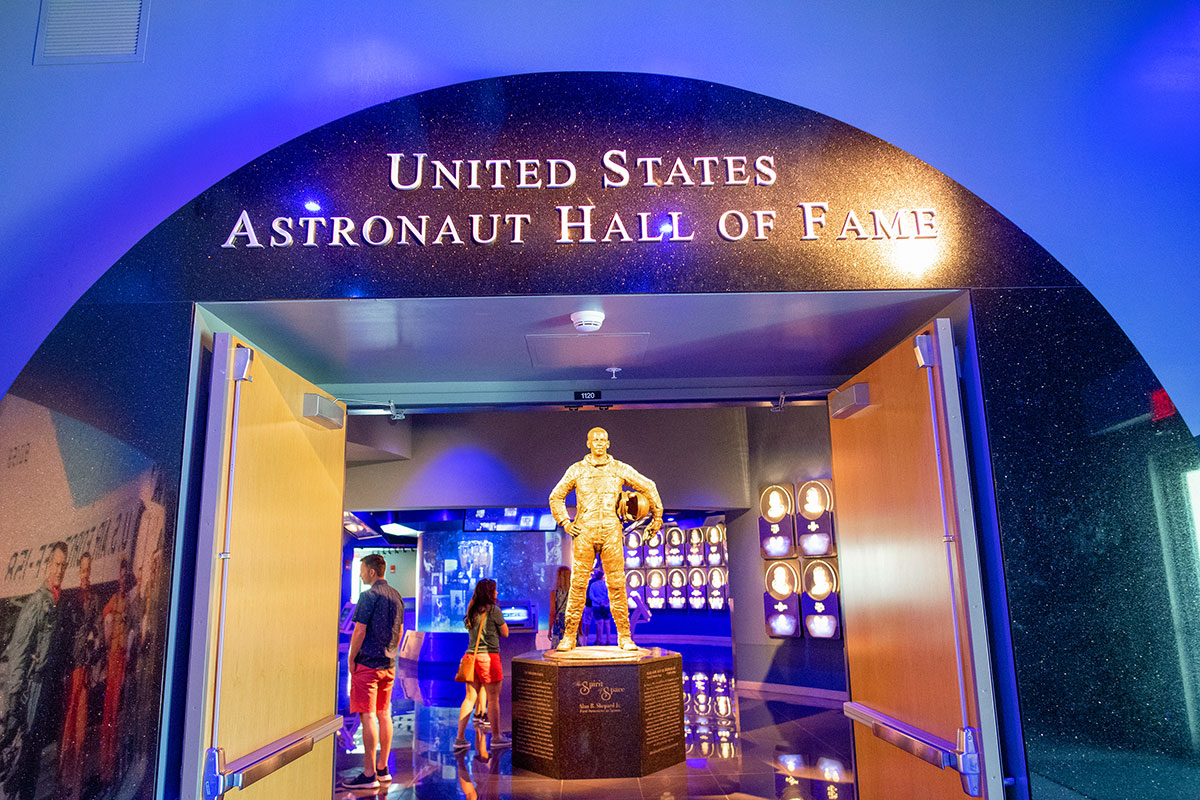
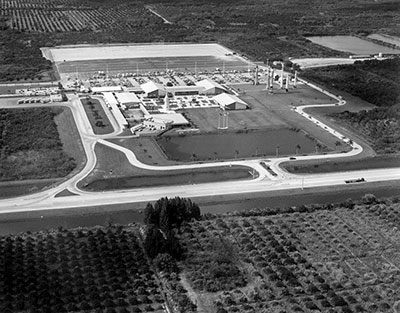
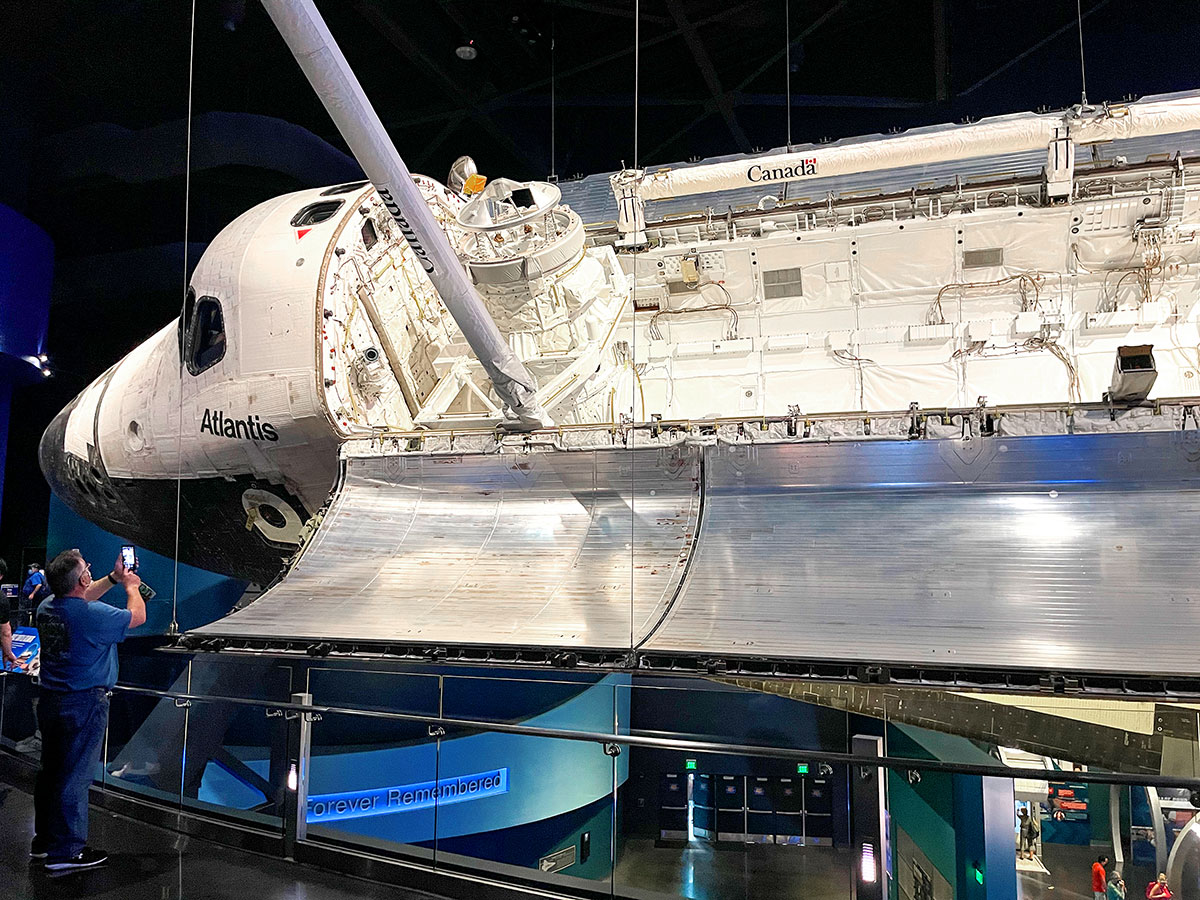
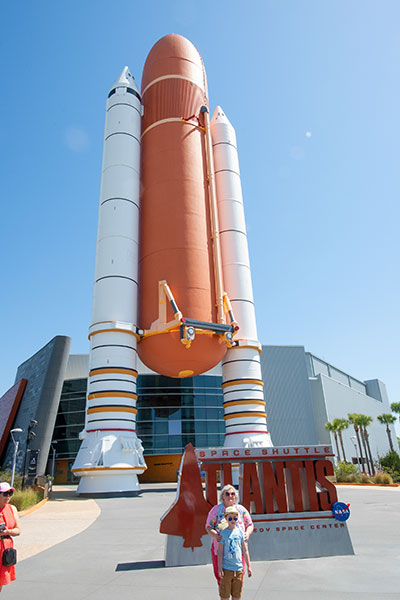
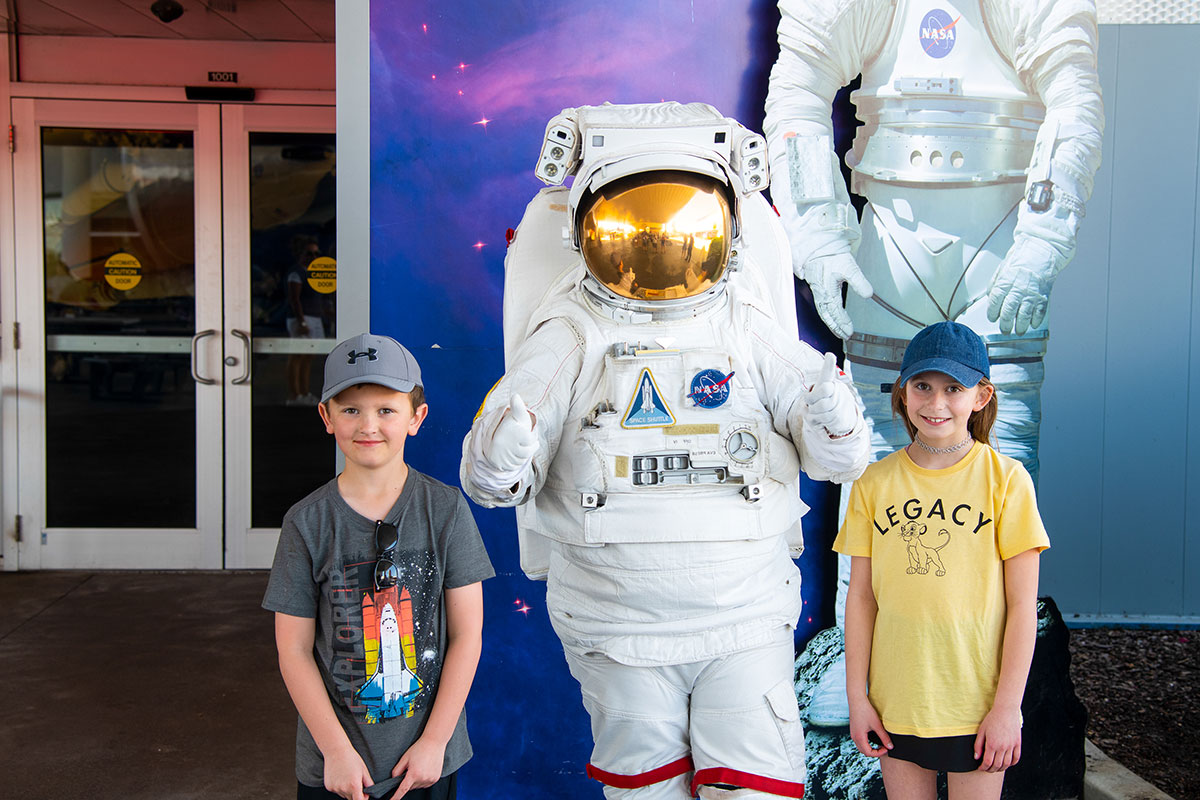
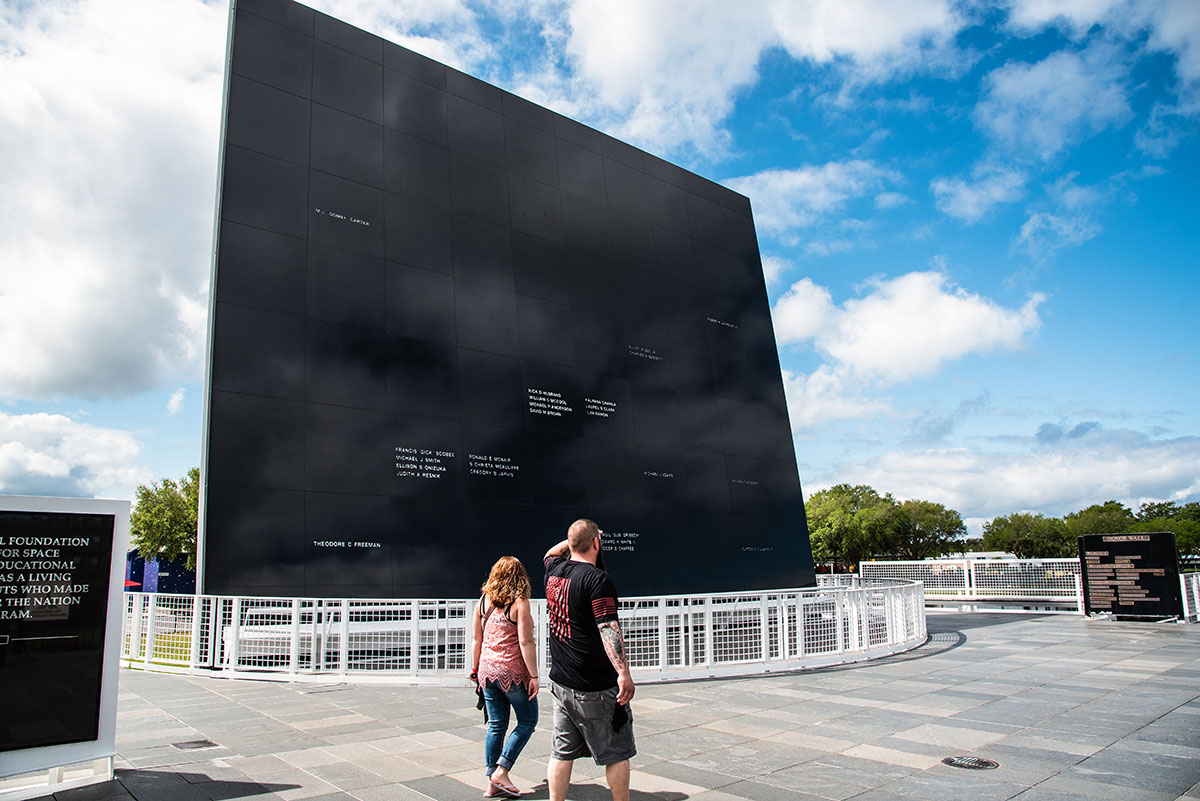
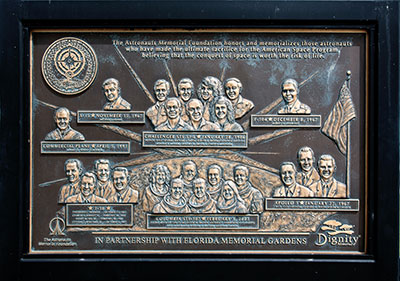
:quality(70)/cloudfront-us-east-1.images.arcpublishing.com/tronc/HYF2TEO3BVCO3L3PJVNJDIAFKE.jpg)
:quality(70)/cloudfront-us-east-1.images.arcpublishing.com/tronc/NABNP2MWWFFSDIHBAFQHU3W26I.jpg)
:quality(70)/cloudfront-us-east-1.images.arcpublishing.com/tronc/NIJY5LLMH4DAU6LLNTECBCIXJM.jpg)